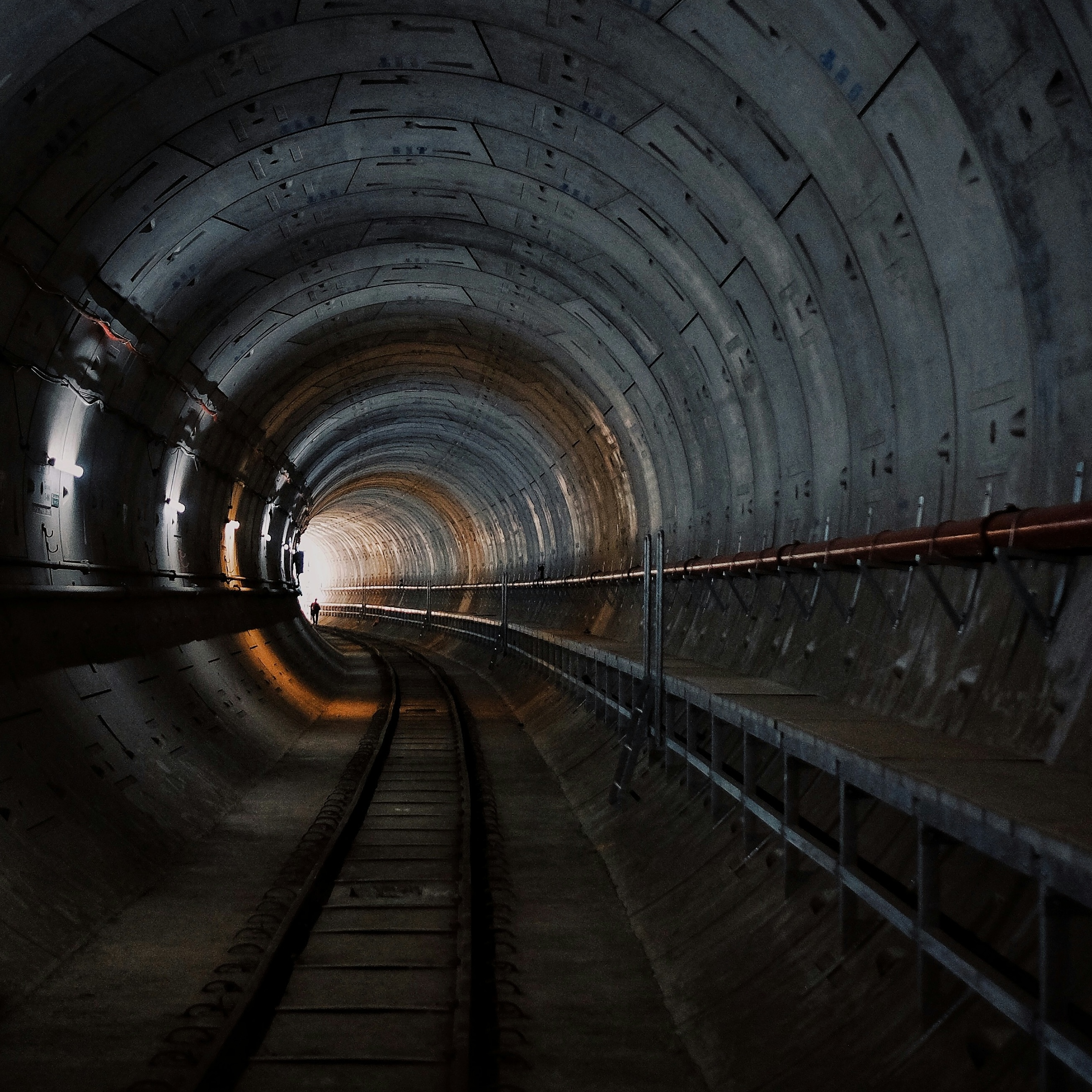
Customers see your tunnel vision before you do
Last week an early user of Loud Camel, a tool that helps researchers get cited and recognized, caught two failures in my product. I had built, reviewed, and shipped both of them.
You can’t see your own tunnel vision. A customer can.
What I shipped
The first paper Loud Camel surfaced for that user was attributed to the wrong author. The named researcher hadn’t written it.
Then they flagged something heavier. The cold-email drafts the product writes for users imply that the sender read the recipient’s paper. The sender didn’t. I built that flow, I read those drafts, and I shipped them anyway.
How I lost the star
When I started Loud Camel, I told myself integrity was the north star. Every recommendation honest. Every email truthful. Then I spent four months deep in OpenAlex joins, email parsing, and pipeline plumbing, and I was looking at the code, not at the star.
The thing I cared about the most became the thing I stopped checking.
Why I couldn’t audit myself
I tried the standard remedies, like a weekly review of priorities and asking myself whether I was still building what I said I would build. None of it helped, because the frame I used to evaluate the work was the same frame that built the work.
The user didn’t know anything about my north star. They just read what the product said, and noticed that it wasn’t true. If you are building something, schedule those conversations on purpose. They are the only check I’ve found that works from outside the tunnel.
What I am changing
I’m adding a validation step that confirms the attributed author actually appears in the paper’s author list before any recommendation is surfaced. I’m rewriting the cold-email drafts so they don’t pretend the sender read what the sender didn’t read. And I’m writing back to every user who flagged something, to thank them.
Will that be enough to catch the next drift? I doubt it. Four months is a long time to not notice something, and I have no reason to believe I’ll be more alert next time.