Is it ethical to use AI to promote your research?
“Is it ethical to use AI to generate content that promotes my research?”
A researcher asked me that recently. My answer: not only is it ethical. It is unethical not to.
“Of course you would say that, Boris. You founded Loud Camel, a service that uses AI to promote academics’ research and careers.”
Fair. Loud Camel is a tool that helps researchers get cited and recognized, and yes, I sell it. So hear me out, and judge the argument, not the messenger.
The research already shows that promotion works
Start with the evidence. A large body of research shows that scientists who actively promote their work do better. They get cited more, read more, and noticed more, often for the same findings as quieter colleagues. You can dislike that attention works this way. It still works this way.
Good science means putting your claim on the line
Karl Popper, the philosopher of science, argued that a serious scientific claim sticks its neck out. It makes refutable predictions. In Hebrew we call this ניבוי מסתכן, a risk-taking prediction. Popper was describing theories, not promotion, so this is an analogy and not a quote. But the instinct carries over. A claim worth making is one you are willing to state in public, clearly enough that it can be challenged and, if it is wrong, refuted.
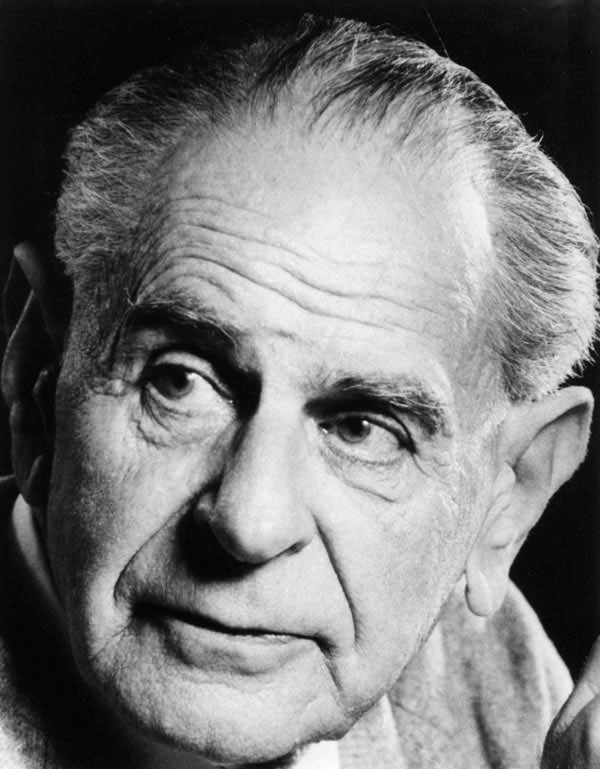
Karl Popper. Photo: Wikimedia Commons.
Nassim Taleb, in Skin in the Game, makes the neighboring point. You should bear the consequences of your claims. If you are not willing to attach your name to a finding and let the world push back, you have not finished the job. Promoting your work honestly is a form of skin in the game. It is you saying, out loud, that you stand behind this.
The real risk is leaving the floor to the loud and the wrong
Now the part I care about most. If you think that promoting your research with AI is not ethical, think about this. You are an ethical person. You value integrity and careful claims. Not everyone does. Some people produce shoddy or dishonest work, and those people will not stay shy. They will use AI to make as much noise as they can.
So if that is true, staying quiet is not neutral. It is a choice with a cost. If the careful researchers hold back on principle, the reckless ones inherit the microphone. It is your responsibility, to your field and to the public, to make sure their voices are not the only ones heard in the air.