Tag: Society
-

The Palmar: The IDF's medical evacuation revolution
In this episode, the guest is Dr. Tuvia Buk, a reserve first sergeant, combat medic, and author of the book "Heroes of Palmar". The episode is about the Palmar (Plugat Marpe, or Medical Company), an innovative medical evacuation unit in the IDF, and the revolution it has brought to combat medicine. Dr. Buk talks about the unit's activity in the "Swords of Iron" war, the technologies it uses, and the human challenges its members face.
-

New years in the Middle East, from antiquity to the present day
In this episode of "This Week in the Middle East," Dr. Tamar Eilam Gindin, a Middle East scholar and Iran expert, joins the show to discuss the meaning of new years in the region's cultures. The conversation moves from the myths of the ancient Near East, through the different calendars, to the political and social reality of present-day Iran.
-
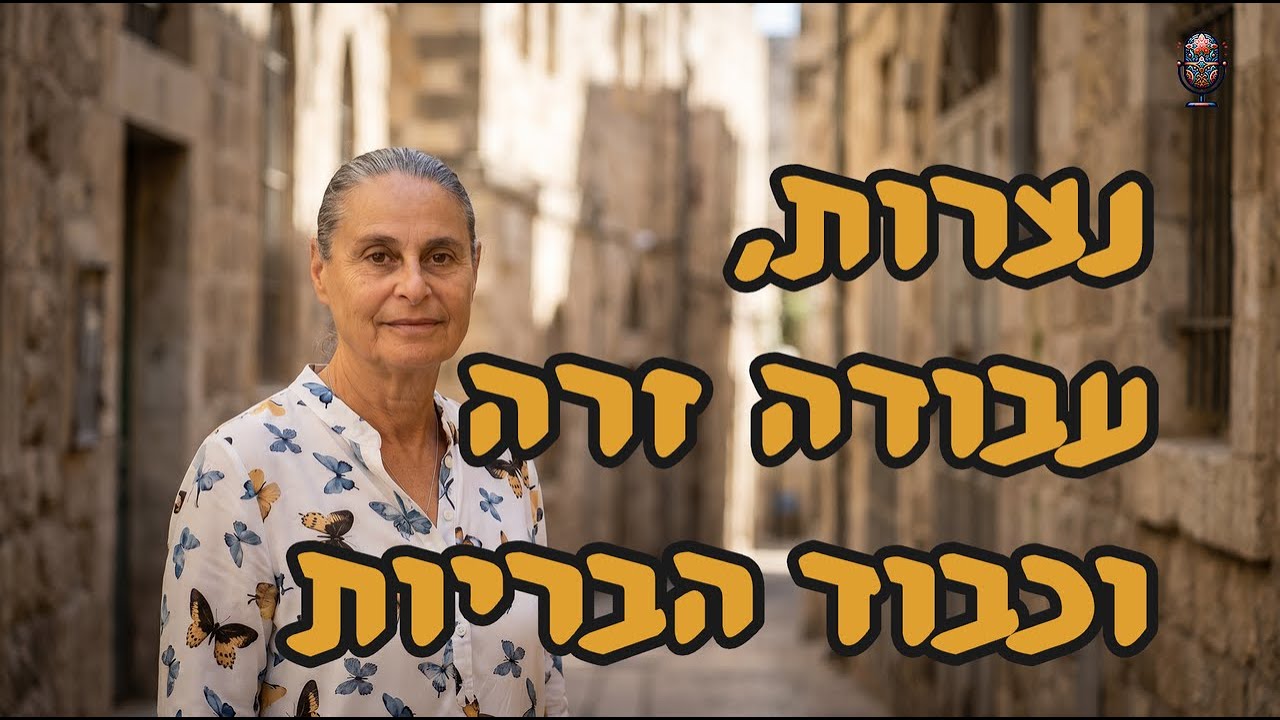
Spitting and contempt for Christians in Jerusalem
This episode's guest is Yisca Harani, a Christianity scholar and an activist for promoting relations between Jews and Christians. The conversation deals with the growing phenomenon of harassment, spitting, and contempt toward Christian clergy and Christian tourists in Jerusalem, mostly by Jews. Harani analyzes the phenomenon's roots, its historical and theological context, and the response of the authorities and civil society.
-

Mythology, Protest, and a Possible Future: Dr. Tamar Eilam Gindin on Iran
In this episode, the guest is Iran expert Dr. Tamar Eilam Gindin. The conversation, scheduled months in advance, naturally turned to the wave of protests and violence that has swept Iran. According to Dr. Eilam Gindin, Iran's mythology and ancient history are surprisingly intertwined with current events and provide a key to understanding them. The conversation examines the nature of the regime's violent oppression, the West's fear of its collapse, the emerging governing alternative, the issue of ethnic minorities, and the connection between the Book of Esther and current American policy.
-

The Islamic Republic: Is the regime on the verge of collapse?
This episode's guest is Alex Grinberg, an Iran scholar at the Jerusalem Institute for Strategy and Security (JISS). The conversation deals with the recent protests in Iran, examining the stability of the Islamic regime, the chances of its collapse, and the factors influencing this, including the economic situation, national identity and ethnic minorities, and external pressures.
-

Iran after the war with Dr. Tamar Eilam Gindin
In this episode, linguist and Iran expert Dr. Tamar Eilam Gindin joins the podcast for a conversation about the situation in Iran following the recent war. Dr. Eilam Gindin analyzes the regime's response to the war, its surprising use of pre-Islamic Iranian nationalism, social media dynamics, scenarios for the regime's future, and the country's severe internal crises, particularly the water crisis.
-

The story of Battalion 419: From the silent people of October 7 to social cohesion
In this episode, the fourth in a series marking two years since the Iron Swords War, Boris Gorelik hosts Ronen Abramov, a population officer and social cohesion officer in Battalion 419 of the Home Front Command. The episode is dedicated to the "silent people," the soldiers and civilians who worked behind the scenes during the war. It focuses on the battalion's activities in the Gaza envelope after the October 7 attack, the psychological coping with the atrocities, and the importance of resilience and social cohesion.
-

Mental and biological resilience in wartime
Prof. Yoram Gadron, a medical psychologist and psychoneuroimmunologist, is a guest on the episode to talk about resilience. He explains what mental resilience is at the individual and community levels, presents its biological basis, and suggests practical ways to strengthen it and cope with trauma and prolonged stress.
-
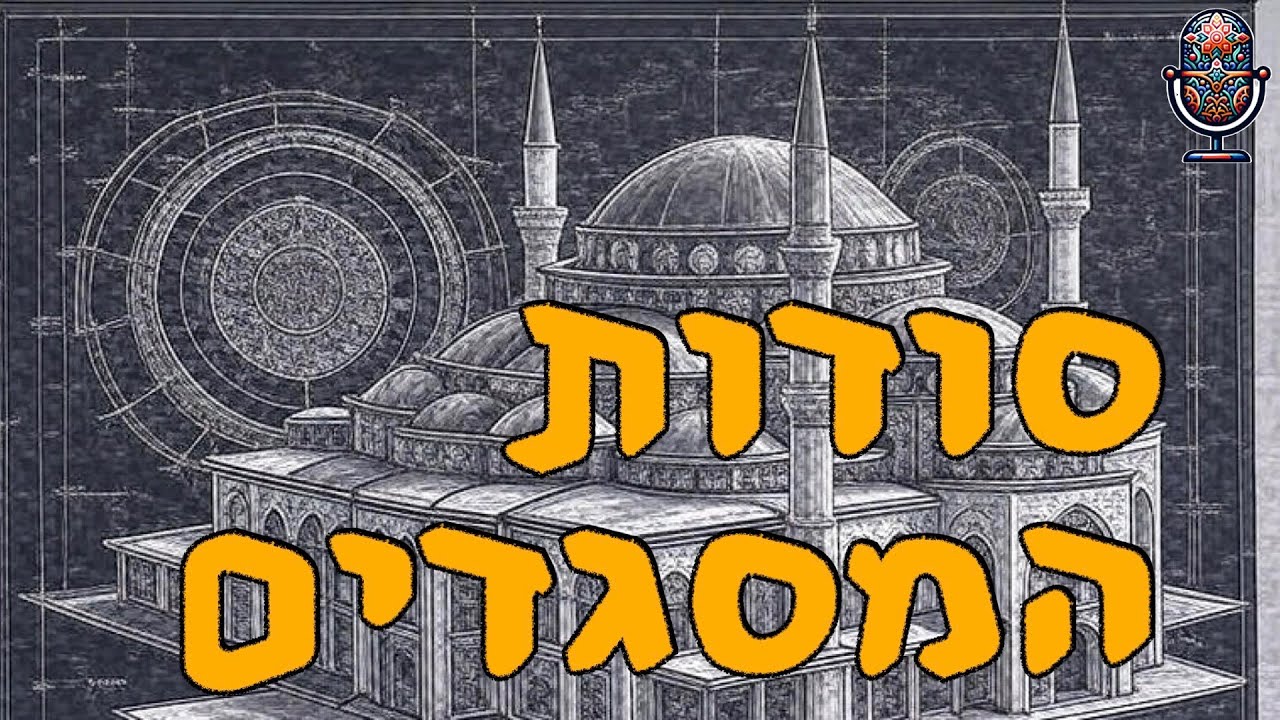
Architecture, society, and politics in mosques
This episode's guest is Dr. Dafna Sharf-Davidovich, a lecturer on the material culture of Islamic lands at the Open University of Israel and the Hebrew University. The conversation is about the architecture of mosques in Israel and around the world. It examines the stylistic, social, and political changes they reflect, from the new mosque in Abu Ghosh to contemporary trends in Muslim construction.
-

The murder of Charlie Kirk and the discourse in the Arab world
This episode's guest is Dr. Mor Shapira, a lecturer in the Department of Arabic at Bar-Ilan University and a researcher at the Middle East Media Research Institute (MEMRI). The conversation deals with reactions in the Arab and Muslim world to the September 2024 murder of the American conservative commentator Charlie Kirk.
-

Mansour Ashkar on Islam, antisemitism, and Europe
This episode's guest is Mansour Ashkar, a former officer in a well-known unit who currently lives in Germany. Since the events of October 7, Ashkar has become a prominent activist in Israeli advocacy. In a conversation with Boris Gorelik, he discusses the motives that led him to engage in advocacy, analyzes the ideology of radical Islam, and describes the challenges facing Europe and Israel in the face of rising antisemitism and Islamism.
-

Israeli study tracked Gaza's fish market via social media
The guest on the episode is Raam Neri, a marine ecologist from Ben-Gurion University's Eilat campus and a member of the "Sharks in Israel" association. Neri discusses his master's thesis, in which he researched the illegal fishing of sharks and batoids (cartilaginous fish) in the Gaza Strip. The study, based on data collection from social media, provides a rare glimpse into Gaza's fish market, the fishing methods in the Strip, and the effects of war and the blockade on the marine environment.
-
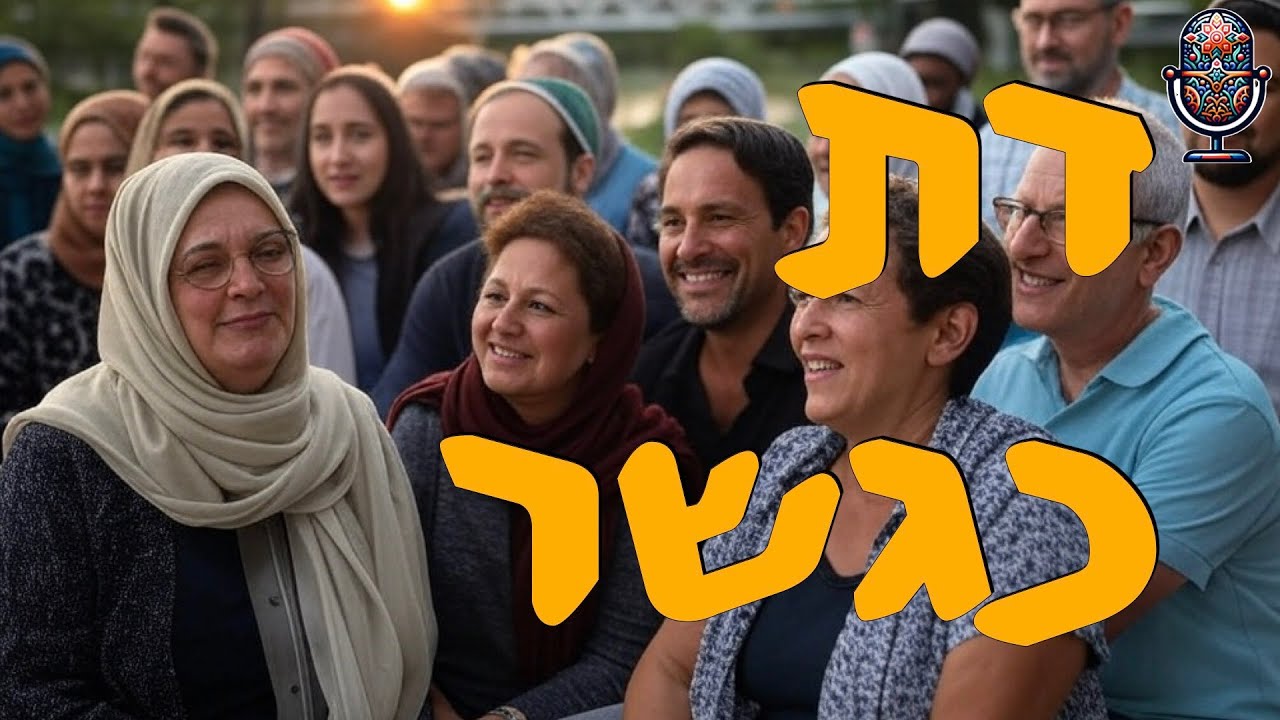
Tom Wegner on interfaith dialogue and regional union
This episode's guest is Tom Wegner, a strategic consultant, founder of "The Center for the Middle East," co-founder of the "Center for Normalization in the Middle East" association, and author of the books "The Abrahamic Revolution" and "Union of the Believers." Wegner participated in a simulation of the "Riyadh 2025 Conference" in a unique role, and he talks with Boris Gorelik about his insights from the event and his vision for regional peace based on religious and political cooperation.
-

The Iranian strategy: Espionage, cyber, and influence
The episode hosts Dr. Yael Finko, a former senior official in the defense establishment and currently a researcher at Bar-Ilan University and a cyber expert. The conversation deals with Iran's efforts to influence and spy on Israel, beyond the familiar military threats like missiles and proxy organizations. Finko analyzes Tehran's concept of "soft power," its methods in the fields of cyber and human espionage, and the psychology behind recruiting Israeli agents.
-

Secularism is winning in Iran
The episode hosts Dr. Tamar Eilam Gindin, an Iran expert and linguist, for a conversation about the secularization processes underway in Iranian society. According to her, the Islamic Republic, through its religious coercion, is the best thing that ever happened to secularism in Iran, and the worst thing that ever happened to Islam. The conversation deals with the tension between the ancient Iranian identity and the Muslim identity, the people's attitude toward the regime and Israel, and Iran's future.
-
National trauma, constitutions, and October 7
This episode of This Week in the Middle East hosts Professor Gad Yair, a sociologist from the Hebrew University, for a conversation about the connection between national traumas and constitutions or founding documents. The conversation, held against the backdrop of the October 7 events, examines how traumas shape the identity of peoples and their laws, and what the consequences of the current trauma might be for Israeli and Palestinian society.
-

Europe and Muslim immigration: a creeping civil war
The journalist and author Eldad Beck, author of the new book "Late Reconciliation: The Story of the Tumultuous Relations Between Austria and Israel," is a guest on the episode and analyzes the situation in Europe following the events of October 7th. According to him, Western Europe is in a state of creeping civil war, a result of mass Muslim immigration and the weakness of governments.