Tag: Peace process
-
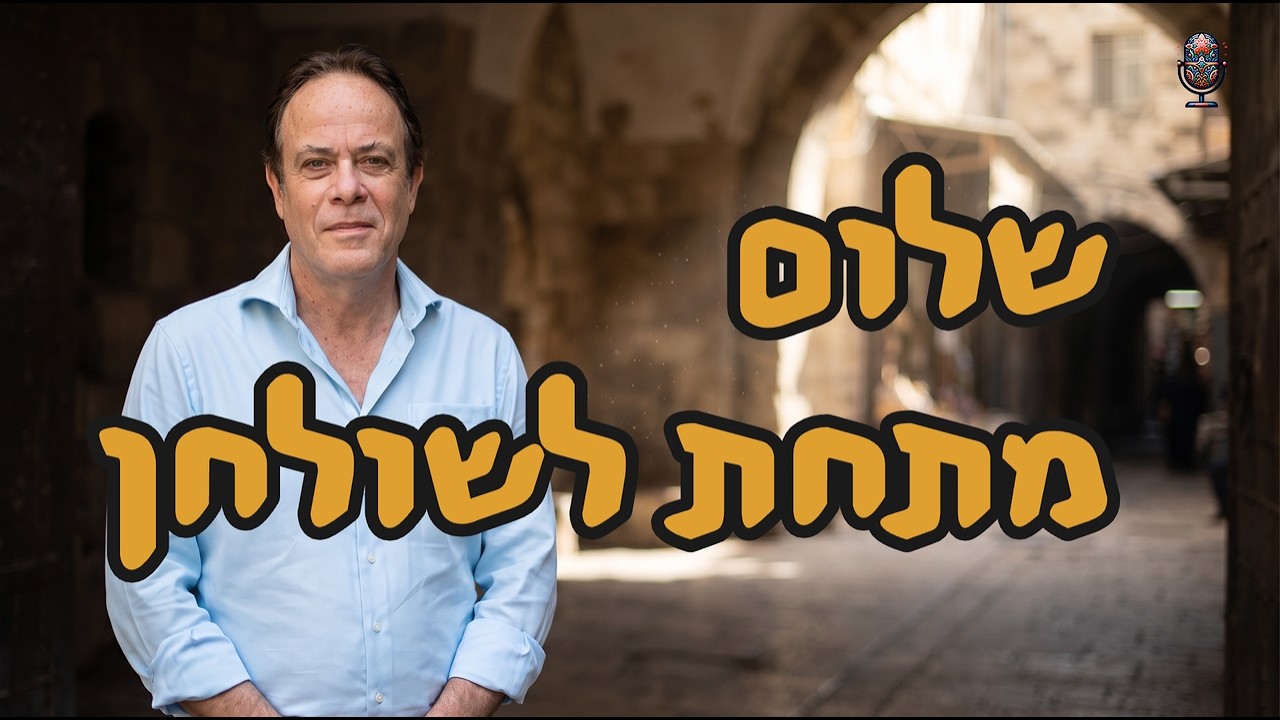
From mistress to common-law wife: A history of Israel's secret relations
This episode's guest is Prof. Eli Podeh of the Department of Islamic and Middle Eastern Studies at the Hebrew University and a member of the Mitvim Institute. Prof. Podeh surveys the history of the secret ties Israel maintains with Arab and Islamic states, a topic he wrote about in his book "From Mistress to Common-Law Wife." He explains why many countries preferred to maintain relations under the radar, why Israel agreed to this, and how the Abraham Accords and the October 7th war have affected this pattern of relations.
-
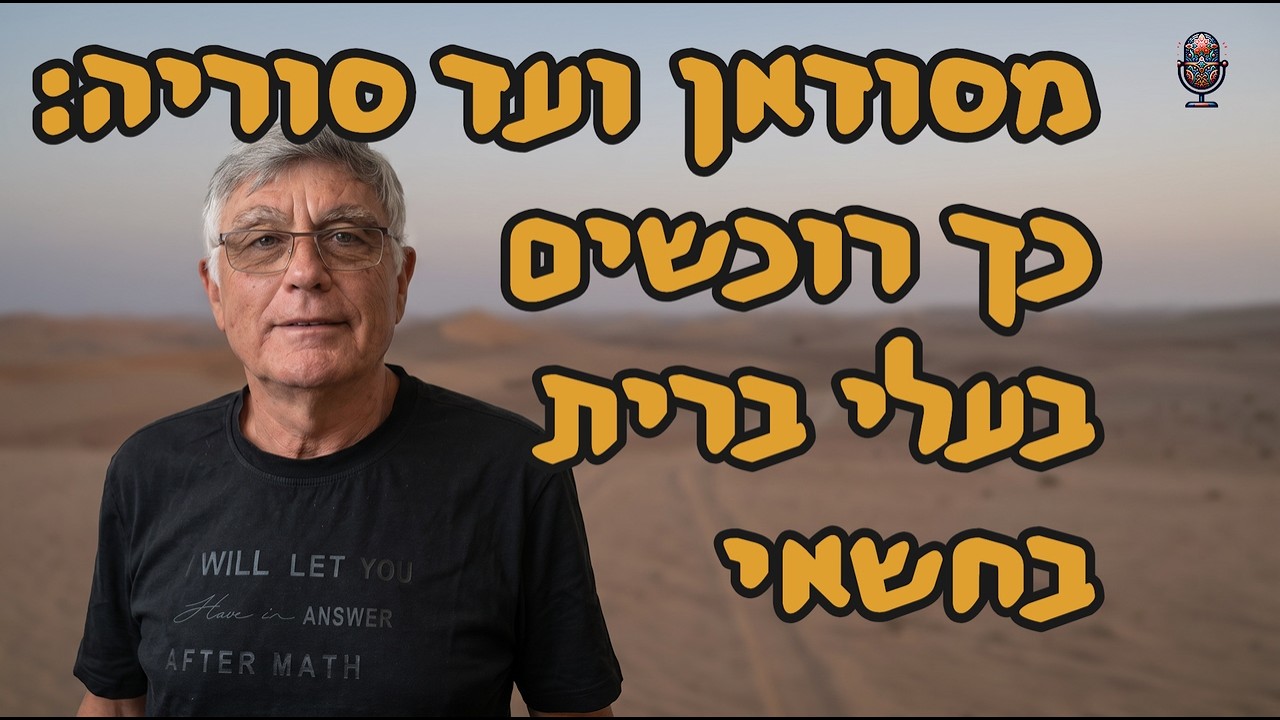
Secret contacts in the Middle East
This episode's guest is Dr. Haim Koren, a veteran diplomat from Reichman University who served as Israel's ambassador to Egypt and South Sudan. The episode discusses the mechanisms for establishing initial ties between hostile states, and how secret contacts mature into diplomatic relations. The discussion follows a report of a secret meeting between the head of the Mossad and the Syrian foreign minister.
-

The UAE: From normalization to a focus of criticism
In this episode of "This Week in the Middle East," the guest is Mor Shapiro, a lecturer in the Arabic department at Bar-Ilan University and a researcher at the MEMRI institute. The conversation covers the dramatic change in the status of the United Arab Emirates, which has transformed from a neutral, business-oriented country into a central and controversial geopolitical player, drawing sharp criticism from Iran and most Arab states.
-
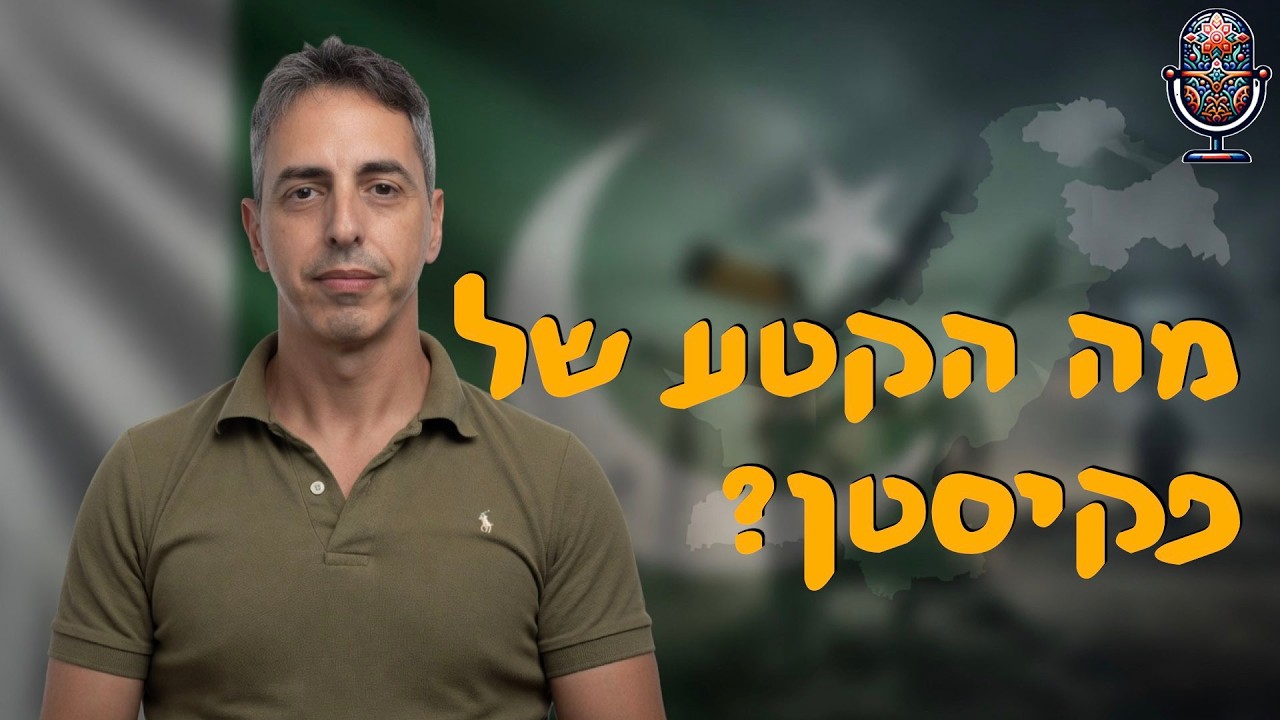
Pakistan, the bomb, and the Middle East
The episode features Dr. Nir Reichental, an expert on Pakistan and nuclear non-proliferation. The conversation covers the history of Pakistan, the circumstances that led it to become a nuclear power, and the complex interests guiding it today, as it finds itself in the role of the main mediator between Iran and the United States.
-
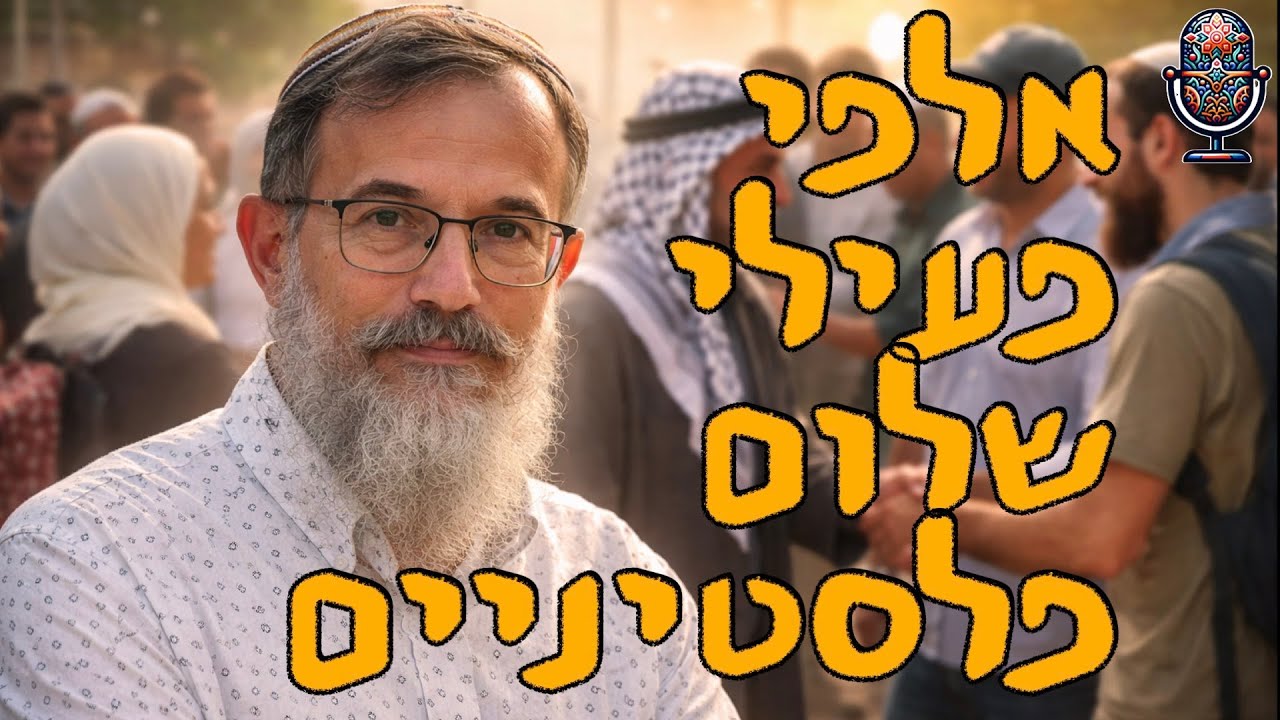
Rabbi Hanan Schlesinger on encounters between settlers and Palestinians
In this episode, the guest is Rabbi Hanan Schlesinger, a co-founder of the "Roots Initiative", for a conversation about the initiative's activities which bring together Jews and Palestinians in Judea and Samaria. Rabbi Schlesinger, a settler and resident of Alon Shvut, talks about the personal process that led him to peace activism, presents his view on the roots of the conflict, and describes the organization's daily activities and his vision for the future.
-

Content creator Tal Oran on advocacy from a Mizrahi perspective
This episode's guest is content creator and YouTuber Tal Oran, also known as The Traveling Clatt. Oran, who became famous as a travel blogger, has changed the focus of his work since the start of the war and now uses his platform for Israeli advocacy. In the conversation, he explains his unique approach, which focuses on addressing the Arab world from a Mizrahi Jewish identity, and his theory about the identity of the peoples of the Middle East.
-

Samer Sinijlawi on the path to peace
Boris Gorelik speaks with Samer Sinijlawi, a Palestinian political activist from Jerusalem and a member of Fatah. Sinijlawi argues that peace is a supreme Palestinian interest, and that the path to it involves building trust with the Israeli public, deep reform in the Palestinian leadership, and mutual recognition of the historical rights of both peoples. He presents a vision of a two-state solution based on common interests, reconciliation, and imagination.
-

A religious solution to a religious conflict
The episode hosts Yinon Dan Kehati, author of the book "Shma Yishmael" and a right-wing peace activist. In a conversation with Boris Gorelik, Kehati presents his approach to resolving the Israeli-Palestinian conflict, a solution with religious and theological roots based on using Islam's own sources.
-

The maritime border agreement with Lebanon: The background, the dispute, and the solution
In this episode, Dr. Benny Spanier, a research fellow at the Maritime Policy & Strategy Research Center and the Blue Economy Center of the Haifa municipality, joins the show to discuss the maritime border agreement between Israel and Lebanon. Dr. Spanier explains the historical and legal background that led to the dispute, details the interests of each side, and describes the specifics of the US-brokered agreement and its implications today.
-

Israel-Azerbaijan relations: Oil, arms, and geopolitics
In this episode of "This Week in the Middle East," Boris Gorelik speaks with Dr. Gallia Lindenstrauss, a senior researcher at the Institute for National Security Studies (INSS), about Israel's complex relationship with Azerbaijan. The conversation covers the security, economic, and diplomatic aspects of the connection, and examines Azerbaijan's place in the geopolitical landscape of the Caucasus and the Middle East, against the backdrop of its relations with Iran, Turkey, and the major powers.
-

The BDS movement and economic warfare against Israel
This episode's guest is Eyal Hishkes, an economic consultant, social activist, and author of the book "Bridges of Economy." Hishkes talks with Boris about the main ideas in his book, focusing on the BDS movement. He reviews the movement's historical roots, analyzes the extent of the damage it causes Israel, and proposes strategic ways to counter the economic warfare.
-

Dr. Adi Schwartz: The path to victory is through changing Palestinian ideology
In this follow-up episode, Dr. Adi Schwartz, co-author of the book "October Seventh" (with Dr. Einat Wilf), returns to present his vision for resolving the conflict. After diagnosing the roots of the conflict in the previous episode, Schwartz this time focuses on the question of what to do and what practical alternative Israel should promote.
-

Samer Sinijlawi on Palestinian public opinion, the post-Abbas leadership, and the two-state solution
The episode features Samer Sinijlawi, a Palestinian political activist who defines himself as a member of the Fatah opposition. In the conversation, Sinijlawi explains why he believes it is important to speak to the Israeli public, analyzes Palestinian public opinion after the events of October 7, and describes the leadership change he thinks is necessary on the Palestinian side to move toward a solution.
-
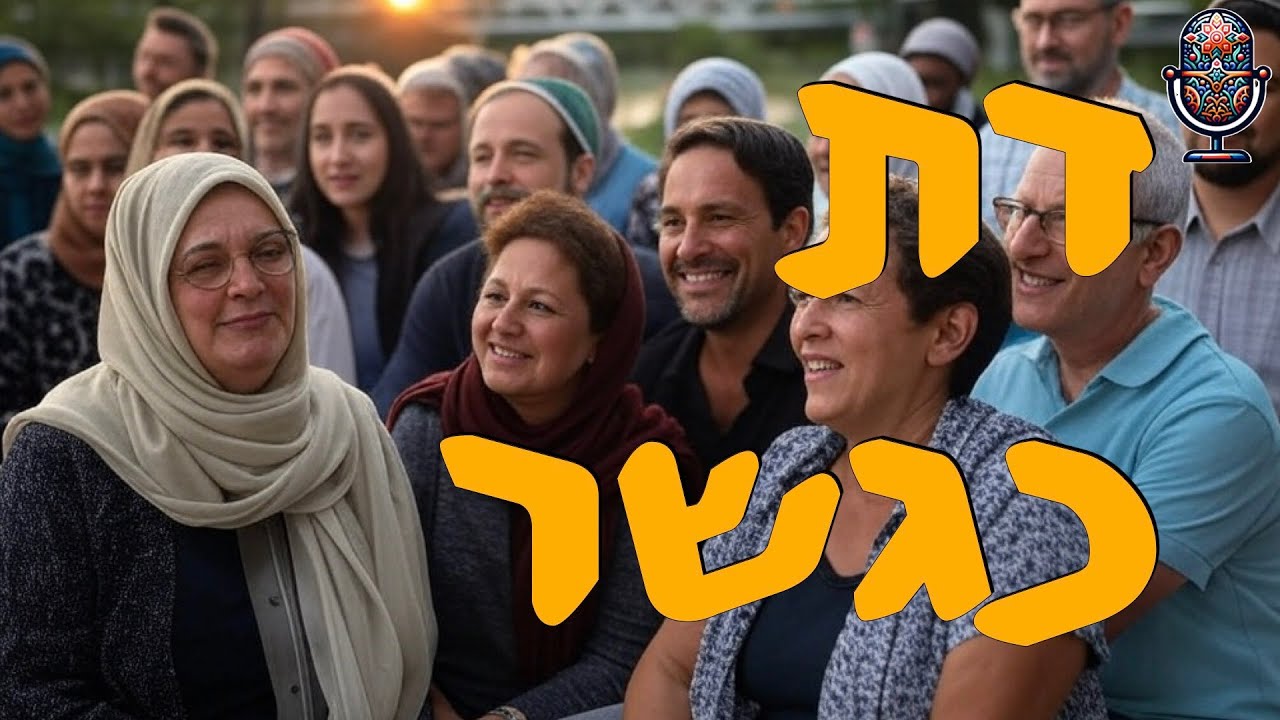
Tom Wegner on interfaith dialogue and regional union
This episode's guest is Tom Wegner, a strategic consultant, founder of "The Center for the Middle East," co-founder of the "Center for Normalization in the Middle East" association, and author of the books "The Abrahamic Revolution" and "Union of the Believers." Wegner participated in a simulation of the "Riyadh 2025 Conference" in a unique role, and he talks with Boris Gorelik about his insights from the event and his vision for regional peace based on religious and political cooperation.
-

A simulation of a regional peace conference
The episode features Dr. Ironit Levin Schnur, a senior lecturer at the Faculty of Law at Tel Aviv University. The conversation is about a simulation of a regional peace conference, "Riyadh Summit 2025," which was held at Tel Aviv University and tried to simulate a future meeting between leaders from the Middle East. Dr. Levin Schnur, one of the event's organizers, explains the simulation's goals, its methodology, and the insights that emerged from it.
-

The Arab media reacts to Trump's victory
The episode features Dr. Mor Shapiro, a lecturer in the Department of Arabic at Bar-Ilan University and a researcher at the MEMRI Middle East Media Research Institute. Shapiro analyzes the diverse reactions in the Arab world to Donald Trump's victory in the United States presidential election, and explains why different countries and actors view his return to the White House in different lights.