Tag: Syria
-
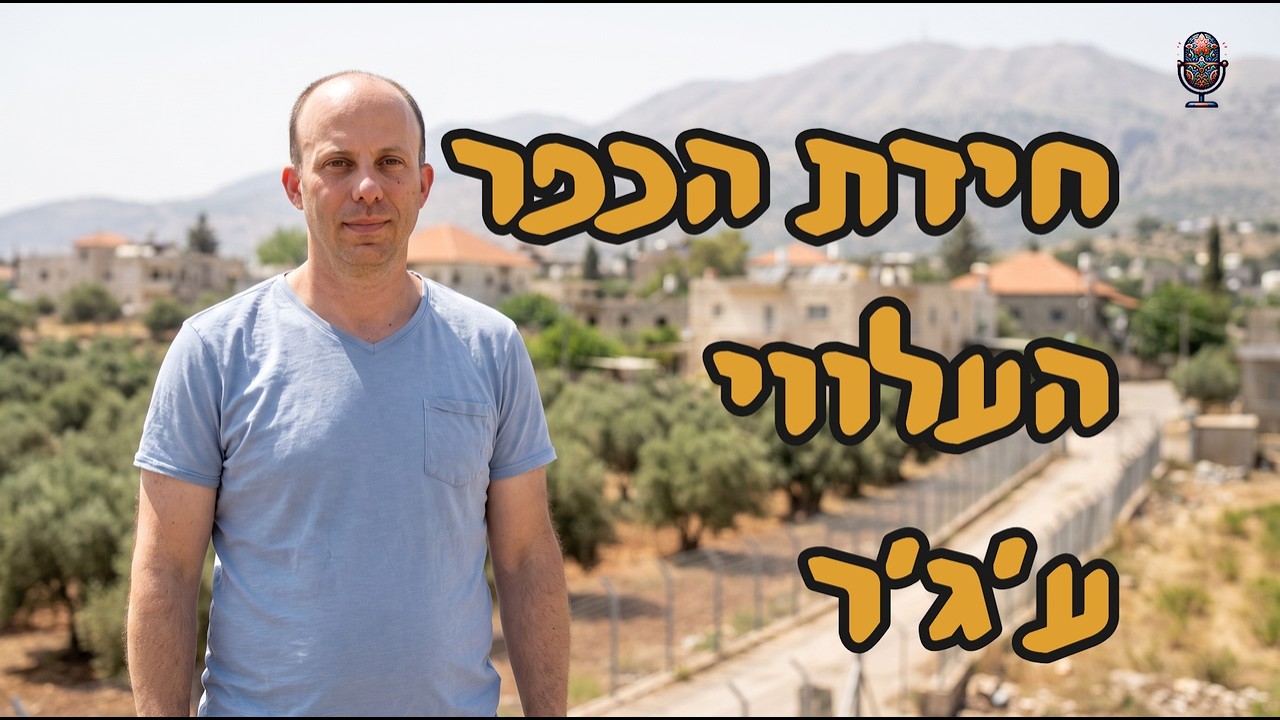
The riddle of the Alawite village of Ghajar
In this episode, Dr. Yaron Friedman of the University of Haifa joins the podcast to discuss the history and identity of the Alawite village of Ghajar. Following a tour of the village, Dr. Friedman attempts to solve the riddle of its origins, as it constitutes an isolated island of Alawite settlement, some 150 kilometers south of the string of Alawite communities on the Syrian coast.
-

Secret contacts in the Middle East
This episode's guest is Dr. Haim Koren, a veteran diplomat from Reichman University who served as Israel's ambassador to Egypt and South Sudan. The episode discusses the mechanisms for establishing initial ties between hostile states, and how secret contacts mature into diplomatic relations. The discussion follows a report of a secret meeting between the head of the Mossad and the Syrian foreign minister.
-
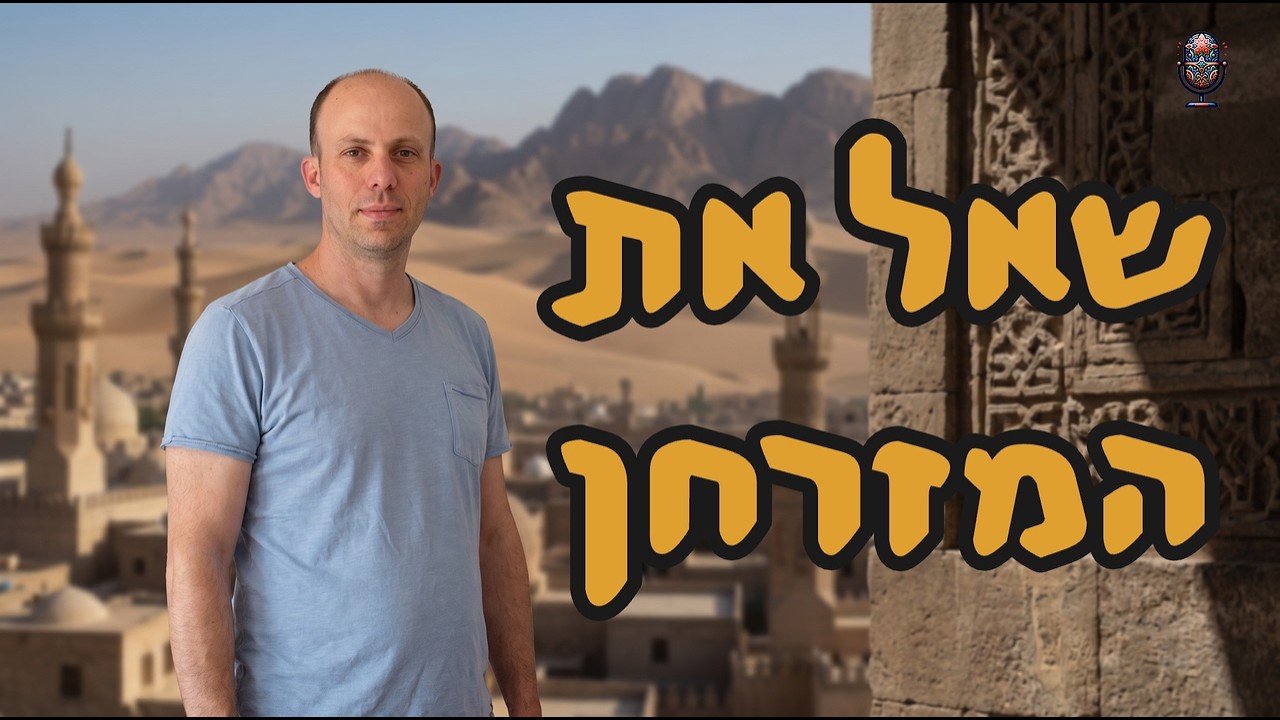
Dr. Yaron Friedman on post-Khamenei Iran, the future of Syria, and the Alawite community
In this episode, based on listener questions, the guest is Dr. Yaron Friedman, a lecturer in Arabic at the University of Haifa, a researcher of Shia Islam and the Alawite community, and a co-founder of the podcast. The conversation, recorded on July 8, deals with the power struggles in Iran after the death of the Supreme Leader, the new situation in Syria under rebel rule, the future of Hezbollah, and the fate of the Alawite community.
-

Syria after Assad: Israel's next enemy?
In this episode of "This Week in the Middle East," Dr. Yaron Friedman analyzes the rise of the new regime in Syria, led by Ahmed al-Shara, known as al-Julani, and argues that Syria is rapidly becoming the next major threat to Israel. According to him, while Israel and the world are focused on the war against the Iranian axis, an equally dangerous jihadist enemy is forming beneath the surface on its northern border.
-

Turkey and the conflict with Iran: Between interests and a regional power
The episode features Dr. Tzamarat Levy-Daphny, a researcher from the Deborah Forum and Forum 1325, for a conversation about Turkey's foreign policy. The conversation covers Ankara's position on the conflict between Israel and Iran, its complex relations with Tehran, and its role as a regional power trying to navigate between conflicting alliances and interests. At the beginning of the conversation, Dr. Levy-Daphny explains that Forum 1325, of which she is a member, works to include women in political negotiation processes, in accordance with UN Security Council Resolution 1325.
-

The Kurds in Syria, between autonomy and collapse
In this episode of "This Week in the Middle East," Boris Gorelik hosts Prof. Ofra Bengio, a senior researcher at the Moshe Dayan Center and an expert on Kurdish affairs. The conversation covers the Kurdish people, their identity, their division among four countries, and focuses on the unique and sensitive situation of the autonomous Kurdish entity in northern Syria, which recently faced an existential crisis.
-

One year since the fall of the Assad regime: The Druze in Syria are in existential danger
This episode of This Week in the Middle East hosts Khalifa Khalifa, creator of the podcast and YouTube channel "Revolt of the Caliphs," for a conversation about the situation in Syria one year after the fall of Bashar al-Assad's regime. The conversation focuses on the existential danger hanging over the Druze community in the Bashan region (Suwayda), the rise of Abu Mohammad al-Jolani's rule, and the opportunities and dangers for Israel.
-

Economic strangulation of Hezbollah
In this episode, Dr. Yaron Friedman explains how the Hezbollah organization can be 'strangled' through economic means, without the need for a large-scale military attack. According to him, the process has already begun, and it focuses on two main channels: damaging the organization's banking system and dismantling its drug empire.
-

Why the Iranians are not rebelling, and what it means for Syria
This episode's guest is Alex Grinberg, a Middle East scholar and researcher at the Jerusalem Institute for Strategy and Security. The conversation deals with the stability of the regime in Iran despite popular unrest, and moves on to analyze the collapse of the Assad regime in Syria as a basis for discussing power dynamics, alliances, and the required Israeli strategy in the new Middle East.
-

The new Syria: Islamization, ticking time bombs, and a regional solution
In this episode, Dr. Yaron Friedman is a guest, discussing the situation in Syria after the fall of the Assad regime. According to him, contrary to the optimism in the West, the country is heading in a worrying Islamist and Salafi direction. He bases his analysis on Arabic sources and expresses concern about negative developments on several fronts.
-

A review of the situation in the Middle East
In this episode, Dr. Yaron Friedman is a guest for a broad review of developments in the Middle East. The conversation covers the expected change of leadership in the Palestinian Authority, the fragile situation in Syria and Lebanon, and trends in the second and third circle countries, from Egypt and Jordan to Iran, Turkey, and North Africa.
-
Massacre of Druze in Syria
In this episode, a collaboration with the podcast "The Caliphs' Revolt," the guests are Khalifa Khalifa and Sheikh Wazir Amoun. They discuss the murderous attack on Druze communities in Syria that took place in late April 2022, explain the background to the events, and sharply criticize Israel's inaction.
-

The new Syria: A government of experts or an al-Qaeda front?
This episode features Dr. Yaron Friedman to discuss the developments in Syria after the fall of the Assad regime. The conversation focuses on the new government formed by Ahmed al-Sharaa (al-Jolani), the transitional constitution he published, and the question of whether Syria is heading toward democracy or a new Islamic dictatorship.
-
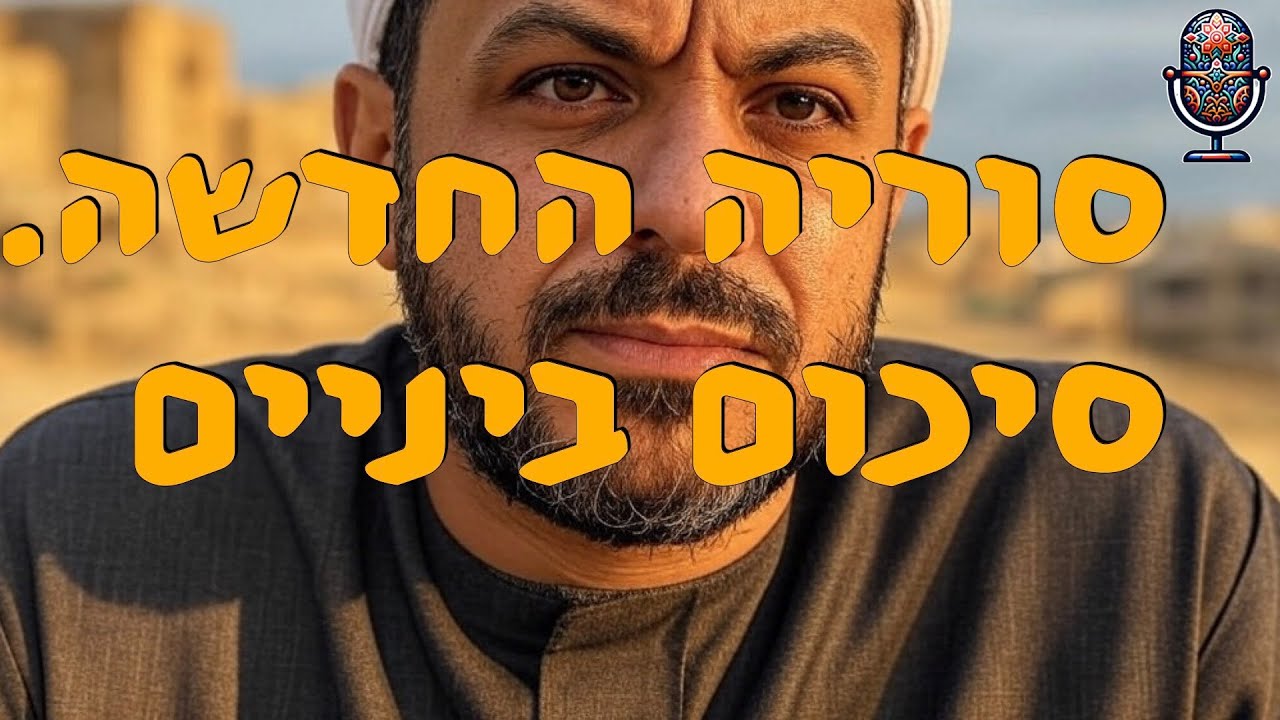
Three months after the fall of the Assad regime: Who are you, Ahmed al-Sharaa?
Three months after the fall of the Assad regime in Syria, commentator Yaron returns to the podcast to summarize the beginning of the rule of Ahmed al-Sharaa, better known by his former nom de guerre, Abu Mohammad al-Julani. The episode deals with the question of the new leader's identity, the economic and social situation in Syria, and the challenges facing the new regime.
-

The Swords of Iron War and regional upheaval
In this episode, Yaron Friedman reviews the events of 2024 in the Middle East, a year characterized by a multi-front war and regional upheavals, and tries to assess the expected developments in 2025. The conversation moves between the different fronts, from the inner circle of Gaza and the West Bank to the wider circles of Syria, Lebanon, Iran, and the Gulf states.
-

Operation 'Homeland Shield': The Palestinian Authority fights for Jenin
In this episode of "This Week in the Middle East", Boris Gorelik hosts Dr. Mor Shapiro, a lecturer in Arabic at Bar-Ilan University and a researcher at the Mitvim Institute. The two discuss the unprecedented security operation launched by the Palestinian Authority in the Jenin refugee camp, aiming to restore its governance in an area considered the terror capital of the West Bank.
-

Turkey and the fall of the Assad regime
This episode features Dr. Hay Eytan Cohen Yanarocak, an expert on Turkey, who discusses Ankara's role in the fall of the Assad regime in Syria, President Erdoğan's motives, and the implications for the region and for Israel.
-

The fall of the Assad regime and an opportunity for the Druze in Syria
The episode's guest is Khalifa Khalifa, host of the podcast "The Caliphs' Rebellion." The conversation deals with the fall of Bashar al-Assad's regime in Syria and its implications, with an emphasis on the situation of the Druze in the country. Khalifa analyzes the opportunities and risks facing the Druze community, Israel's role, and the broader effects of the event on Lebanon, Iran, and the Palestinian arena.
-
The fall of the Assad regime in Syria
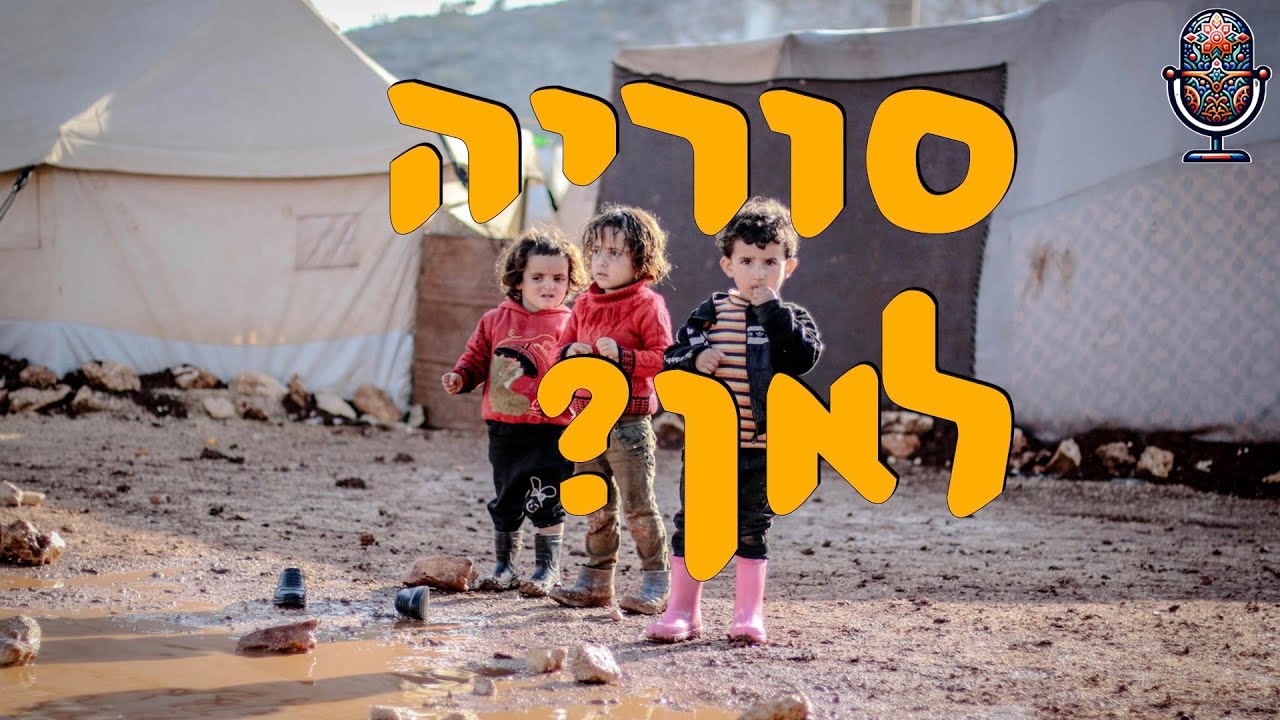
In this episode, Yaron Friedman joins the show to discuss the rapid collapse of Bashar al-Assad's regime in Syria, after fifty years of his family's rule. Yaron analyzes the reasons for the regime's fall, the identity of the victorious forces, the fate of minorities in the new Syria, and the implications for Israel and the Middle East.
-

The rebels' surprise attack in Syria
In this episode, Yaron reviews the surprise attack by opposition forces in northern Syria and the collapse of the status quo that had existed in the country since 2017. The conversation, recorded on December 3, analyzes the reasons for the outbreak of fighting right now, the identity of the forces involved, the interests of regional powers, and the implications for Syria's future and its minorities.