Tag: podcast
-
The gambler's dilemma and ending wars
In this episode, the guest is Amar Dank, a researcher of war termination, for a conversation about how leaders make decisions on continuing or ending a military conflict. The discussion focuses on the concept of the "gambler's dilemma," taken from Kahneman and Tversky's prospect theory, and examines how loss aversion can lead leaders to continue and escalate wars in the hope of erasing prior losses, even at the cost of taking greater risks. The model is applied to the Russia-Ukraine war, the "Swords of Iron" war, and the conflict with Iran.
-

The Palmar: The IDF's medical evacuation revolution
In this episode, the guest is Dr. Tuvia Buk, a reserve first sergeant, combat medic, and author of the book "Heroes of Palmar". The episode is about the Palmar (Plugat Marpe, or Medical Company), an innovative medical evacuation unit in the IDF, and the revolution it has brought to combat medicine. Dr. Buk talks about the unit's activity in the "Swords of Iron" war, the technologies it uses, and the human challenges its members face.
-
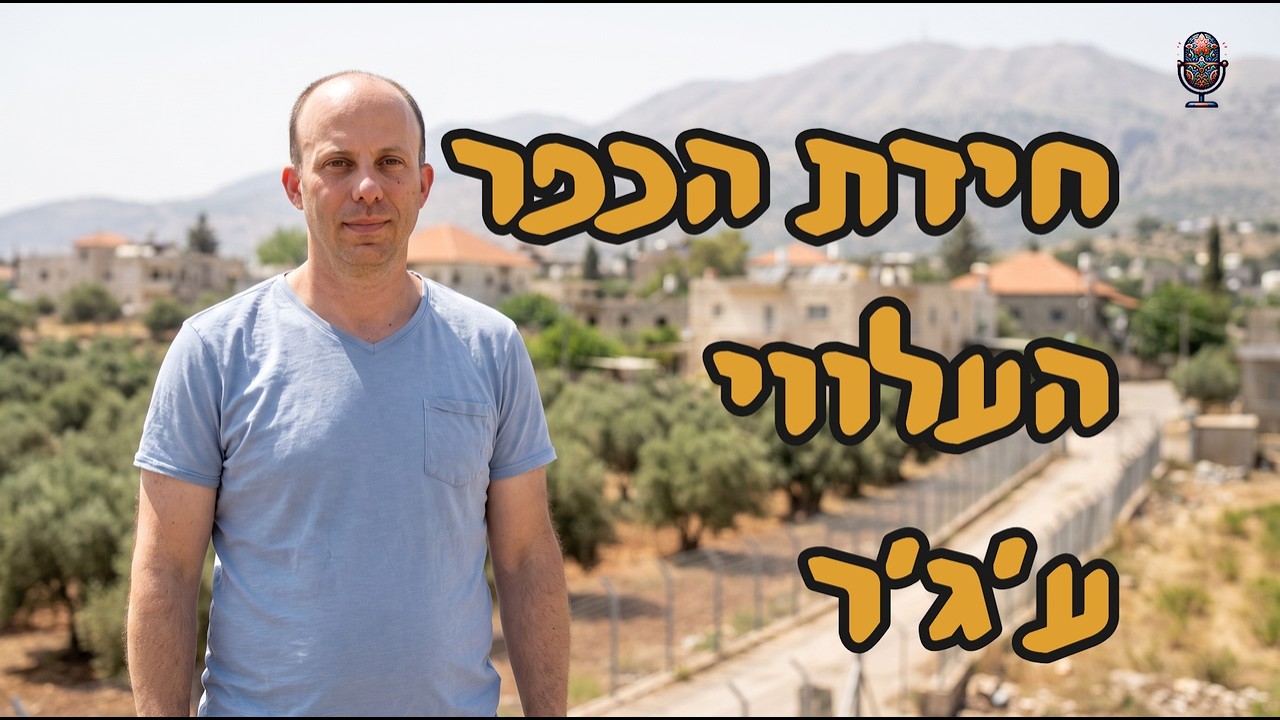
The riddle of the Alawite village of Ghajar
In this episode, Dr. Yaron Friedman of the University of Haifa joins the podcast to discuss the history and identity of the Alawite village of Ghajar. Following a tour of the village, Dr. Friedman attempts to solve the riddle of its origins, as it constitutes an isolated island of Alawite settlement, some 150 kilometers south of the string of Alawite communities on the Syrian coast.
-

Politics in Arab society in Israel: A historical overview and current trends
In this episode, Dr. Yousri Khizran, from Shalem College and the Truman Institute at the Hebrew University, joins to discuss the development of politics in Arab society in Israel. Dr. Khizran presents a broad historical overview, analyzes the main trends shaping Arab politics today, and addresses the upcoming elections.
-

New years in the Middle East, from antiquity to the present day
In this episode of "This Week in the Middle East," Dr. Tamar Eilam Gindin, a Middle East scholar and Iran expert, joins the show to discuss the meaning of new years in the region's cultures. The conversation moves from the myths of the ancient Near East, through the different calendars, to the political and social reality of present-day Iran.
-

From mistress to common-law wife: A history of Israel's secret relations
This episode's guest is Prof. Eli Podeh of the Department of Islamic and Middle Eastern Studies at the Hebrew University and a member of the Mitvim Institute. Prof. Podeh surveys the history of the secret ties Israel maintains with Arab and Islamic states, a topic he wrote about in his book "From Mistress to Common-Law Wife." He explains why many countries preferred to maintain relations under the radar, why Israel agreed to this, and how the Abraham Accords and the October 7th war have affected this pattern of relations.
-
Secret contacts in the Middle East
This episode's guest is Dr. Haim Koren, a veteran diplomat from Reichman University who served as Israel's ambassador to Egypt and South Sudan. The episode discusses the mechanisms for establishing initial ties between hostile states, and how secret contacts mature into diplomatic relations. The discussion follows a report of a secret meeting between the head of the Mossad and the Syrian foreign minister.
-

Everything you wanted to ask about Islam
In this episode, based on listener questions, Dr. Yaron Friedman of the University of Haifa joins the podcast to discuss the fundamentals of the religion of Islam. The conversation covers the definition of Islam, its historical spread, its various streams and factions, and the possibility of a secular Muslim state.
-

The Catholic Church and Israel: A complex relationship
The guest on the episode is Father David Neuhaus, a Catholic priest and lecturer on the Bible. In a conversation with Boris Gorelik, he reviews the development of relations between the Catholic Church and the State of Israel, from the Balfour Declaration to the present day, and explains the Vatican's spiritual and political position on the Israeli-Palestinian conflict.
-

The October 7 events in the mirror of Palestinian cinema
This episode's guest is Lt. Col. (res.) Avi Shalev, author of the book "Yoman al-Qasmi" and a researcher of Arab culture. Shalev analyzes the October 7 events through the prism of a Palestinian television series titled "Qabdat al-Ahrar," which aired about a year and a half before the attack. According to him, the series not only offered a chilling prediction of the attack's details, but also exposes the depth of the Israeli intelligence failure, which stemmed from a profound cultural misunderstanding of Palestinian society and Hamas.
-

The Iraqi invasion of Kuwait: The end of pan-Arabism
In this episode, Boris Gorelik hosts Prof. Amatzia Baram for a conversation about Iraq's invasion of Kuwait in 1990. Prof. Baram analyzes the reasons that led Saddam Hussein to invade the neighboring country, the consequences of this move for the Arab world, and the turn Saddam's regime took following the war.
-
"Israel's security is a Palestinian interest": an interview with Samer Sinijlawi
This autumn Israelis vote at the end of October, and Palestinians vote thirty-one days later. It will be the first Palestinian election in twenty years. So I invited Samer Sinijlawi...
-
Dr. Yaron Friedman on post-Khamenei Iran, the future of Syria, and the Alawite community
In this episode, based on listener questions, the guest is Dr. Yaron Friedman, a lecturer in Arabic at the University of Haifa, a researcher of Shia Islam and the Alawite community, and a co-founder of the podcast. The conversation, recorded on July 8, deals with the power struggles in Iran after the death of the Supreme Leader, the new situation in Syria under rebel rule, the future of Hezbollah, and the fate of the Alawite community.
-

History and geopolitics of the Strait of Hormuz
This episode's guest is Dr. Moran Zaga, a geographer, Middle East scholar, and expert on the Gulf states from the University of Haifa. The conversation covers the history of the Strait of Hormuz, its geopolitical importance through the ages, and the powers that have shaped the region to this day.
-

Arab world reactions to the agreement between the United States and Iran
This episode's guest is Mor Shapira, a lecturer in the Department of Arabic at Bar-Ilan University and a researcher at the MEMRI (Middle East Media Research Institute). The conversation deals with how the agreement between the United States and Iran is covered and received in the Arab world, and with the new strategies the region's countries are adopting in its wake.
-
The Battle of Karbala and its influence on modern Iran
Dr. Tamar Eilam Gindin, an expert on Iran, is the guest on this episode. The conversation, recorded on the eve of Ashura, deals with the meaning of the Battle of Karbala and the death of Imam Hussein for the Shi'a. Dr. Eilam Gindin analyzes the mythological roots of the story, its influence on the mentality of the Iranian regime, and the way it is expressed in the internal rifts at the top, in negotiations with the West, and in the perception of governance and the constitution.
-

Spitting and contempt for Christians in Jerusalem
This episode's guest is Yisca Harani, a Christianity scholar and an activist for promoting relations between Jews and Christians. The conversation deals with the growing phenomenon of harassment, spitting, and contempt toward Christian clergy and Christian tourists in Jerusalem, mostly by Jews. Harani analyzes the phenomenon's roots, its historical and theological context, and the response of the authorities and civil society.
-

Noa Shusterman Dvir on Hamas, Gaza, and the day after
The episode features Noa Shusterman Dvir, head of the Palestinians and the Region Program at MIND Israel, a center for policy, national security, and strategy consulting. Shusterman Dvir analyzes the reasons Hamas still controls Gaza even after the release of the hostages, the dynamics that led to the cessation of fighting, and the challenges facing the reconstruction of the Strip and the day after the war. She discusses the humanitarian situation, the negotiations on the demilitarization of the Strip, and the involvement of international and regional actors, including Egypt and Turkey.
-

The UAE: From normalization to a focus of criticism
In this episode of "This Week in the Middle East," the guest is Mor Shapiro, a lecturer in the Arabic department at Bar-Ilan University and a researcher at the MEMRI institute. The conversation covers the dramatic change in the status of the United Arab Emirates, which has transformed from a neutral, business-oriented country into a central and controversial geopolitical player, drawing sharp criticism from Iran and most Arab states.
-

The Iran-Iraq War: Why did Saddam Hussein start the war?
In this episode of "This Week in the Middle East," Professor Amatzia Baram, an expert on Iraq, joins the show to discuss the reasons that led to the outbreak of the Iran-Iraq War in 1980. According to Baram, it was a "strange war": an initiative by one country, Iraq, to attack a country three times its size, Iran, which was in the midst of a vibrant Islamic revolution. Baram explains the chain of events and motives that led Saddam Hussein to make this risky decision.
-

The Iran-Iraq War: Causes, course, and consequences
The episode features Colonel (ret.) Pesach Malovany, a former Aman officer and a researcher of Arab armies, for a conversation about the Iran-Iraq War. Malovany, author of the books "The Wars of Modern Babylon," "From the North Evil Shall Break Forth," and others, served as an Aman officer dealing with Iraq at the beginning of the war. In the conversation, he analyzes the reasons for the outbreak of the war, which was the longest in the Middle East in the 20th century, its main developments, and its outcomes.
-
Pakistan, the bomb, and the Middle East
The episode features Dr. Nir Reichental, an expert on Pakistan and nuclear non-proliferation. The conversation covers the history of Pakistan, the circumstances that led it to become a nuclear power, and the complex interests guiding it today, as it finds itself in the role of the main mediator between Iran and the United States.
-
The UAE leaves the oil cartel
The episode hosts Eran Efrat, an expert on the global energy market, for a conversation about the reports of the United Arab Emirates' withdrawal from OPEC, the Organization of the Petroleum Exporting Countries. The two discuss the move's significance for the global oil market, relations in the Gulf, and the Israeli consumer.
-
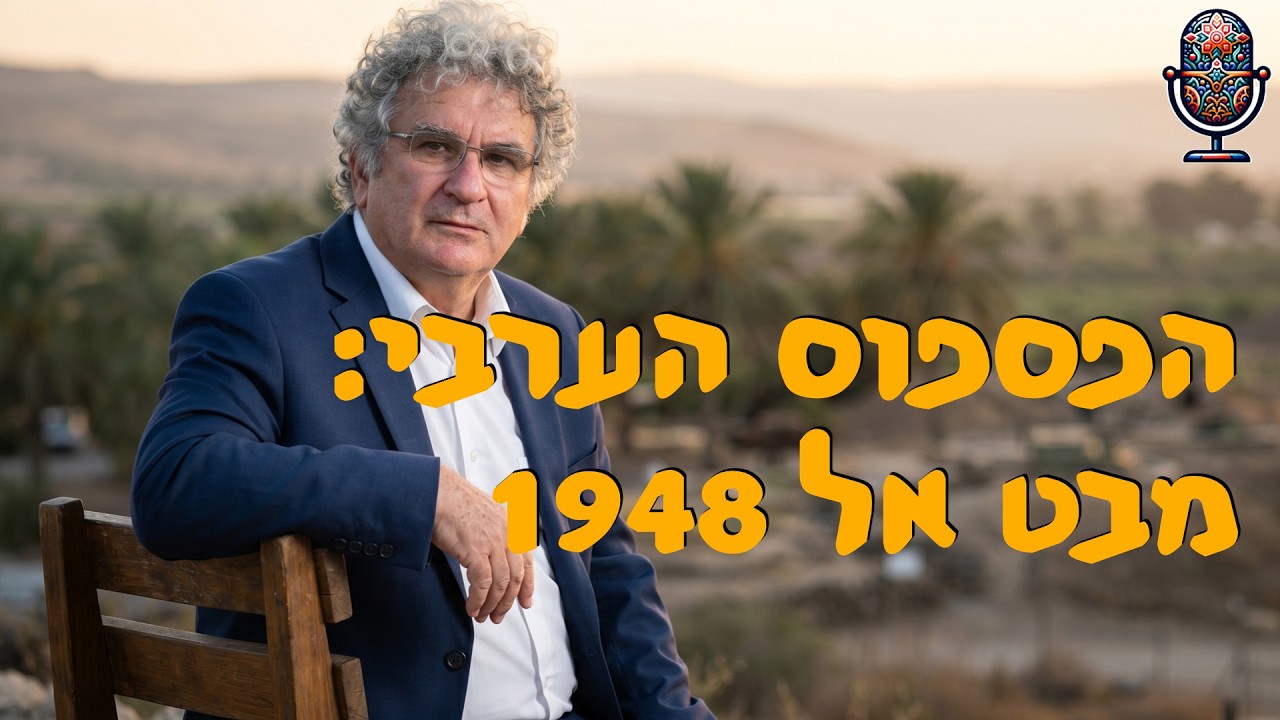
The Arab leadership in 1948: mistakes, opportunities, and consequences
In this episode, Boris Gorelik speaks with historian Prof. Benny Morris, a professor emeritus at Ben-Gurion University. The conversation provides a historical analysis of the decisions made by the Arab leadership in Palestine in the late 1940s, examines whether they had better alternatives, and discusses the consequences of those decisions on the Israeli-Palestinian conflict to this day.
-

Sudan in the global conflict
In this episode, Dr. Haim Koren, a diplomat and Middle East scholar, returns for a conversation about the civil war in Sudan. The conversation covers the causes of the war, the extensive international involvement in the conflict, and its implications for the regional and global balance of power, including for Israel.
-

Syria after Assad: Israel's next enemy?
In this episode of "This Week in the Middle East," Dr. Yaron Friedman analyzes the rise of the new regime in Syria, led by Ahmed al-Shara, known as al-Julani, and argues that Syria is rapidly becoming the next major threat to Israel. According to him, while Israel and the world are focused on the war against the Iranian axis, an equally dangerous jihadist enemy is forming beneath the surface on its northern border.
-

Turkey and the conflict with Iran: Between interests and a regional power
The episode features Dr. Tzamarat Levy-Daphny, a researcher from the Deborah Forum and Forum 1325, for a conversation about Turkey's foreign policy. The conversation covers Ankara's position on the conflict between Israel and Iran, its complex relations with Tehran, and its role as a regional power trying to navigate between conflicting alliances and interests. At the beginning of the conversation, Dr. Levy-Daphny explains that Forum 1325, of which she is a member, works to include women in political negotiation processes, in accordance with UN Security Council Resolution 1325.
-
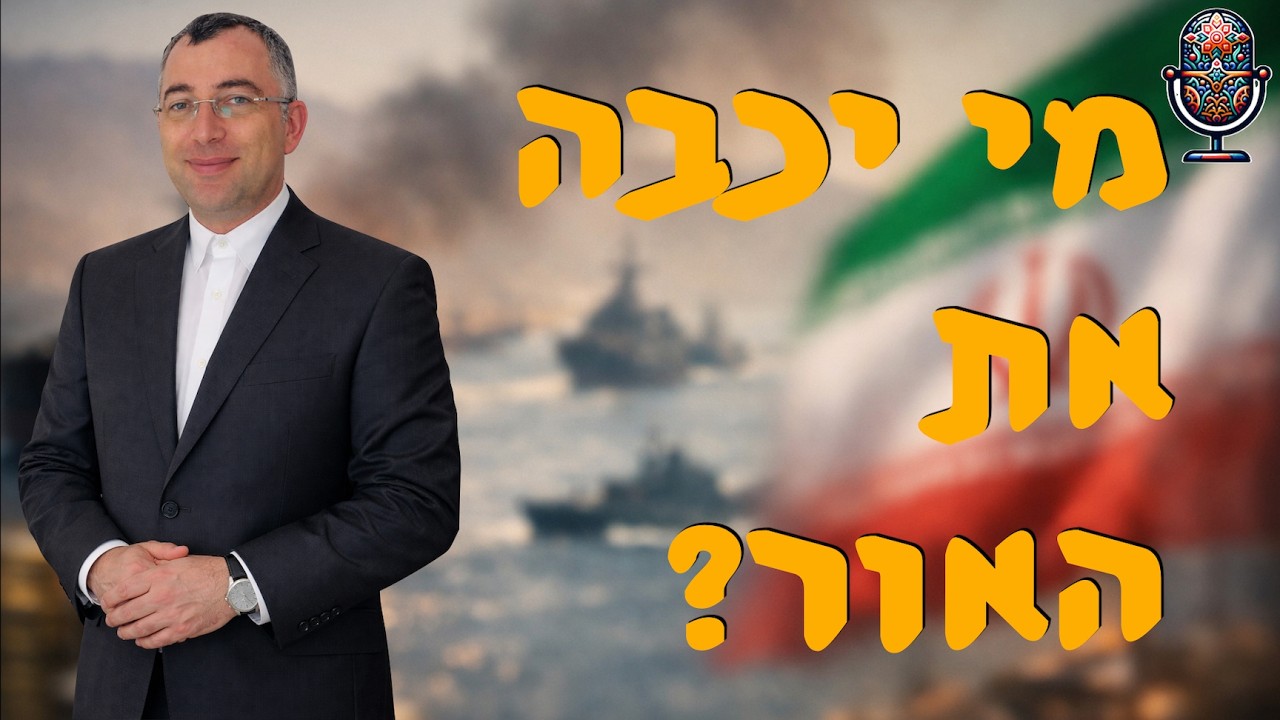
Eliminating the regime in Iran, not overthrowing it
In this episode, the guest is Middle East scholar and Iran expert Alex Grinberg. The conversation deals with the campaign against Iran, the future of the Islamic regime, and the question of who will declare the end of the war. Grinberg argues that the regime is not expected to fall officially, but rather to be gradually eliminated, and that Iran is expected to remain a unified country even on the day after.
-

The failure of the Gulf concept: Qatar and the Gulf states at war
The episode features Dr. Ariel Admoni, a Qatar expert and a researcher at the Jerusalem Institute for Strategy and Security. The conversation deals with what Dr. Admoni calls the "failure of the Gulf concept." According to him, the recent war revealed that there is no unified Gulf bloc, and that the foreign and security policy of each country, especially Qatar, was tested in a way that undermined basic assumptions about the region's stability.
-

How do wars end?
In this episode, the guest is Omer Dank, a security researcher, to discuss the question of how wars come to an end. The conversation reviews the various ways wars have ended in the modern era, and examines the possible scenarios for the end of the current (hypothetical) war between the United States and Israel and Iran.
-

The economic war against Iran and its allies
In this episode, Dr. Yaron Friedman joins the show to discuss the economic war being waged in parallel with the military conflict with Iran. The conversation focuses on the consequences of a blockade of the Strait of Hormuz for the economies of Iran, the Gulf states, Iraq, and other regional actors, and examines who the main losers and winners are from the situation.
-

Iran's fake Battle of Karbala
This episode's guest is Dr. Yaron Friedman from the Department of Middle Eastern Studies at the University of Haifa. The conversation deals with Iran's parade of strategic mistakes, which Dr. Friedman likens to a modern, but fake, Battle of Karbala. According to him, this is a pre-lost war that the Iranian leadership entered after believing its own propaganda.
-

Consequences of the conflict with Iran: From the Strait of Hormuz to the global economy
In this episode, recorded as the military campaign against Iran was unfolding, the guest is Eran Efrat, an expert in energy economics. The conversation revolves around the immediate economic consequences of the conflict, primarily the closure of the Strait of Hormuz, and examines the dramatic changes that could occur in the global economy the day after the fall of the ayatollahs' regime.
-
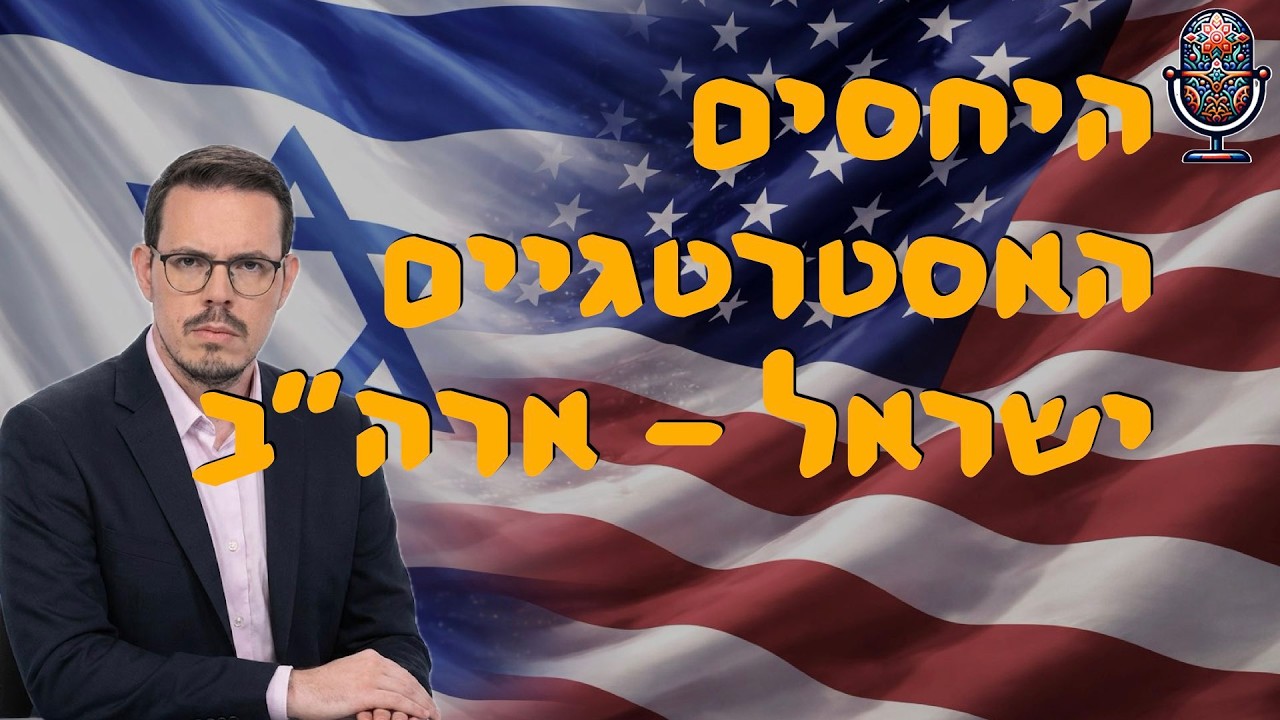
Upgrading the alliance: Israel and the United States in an era of great power competition
In this episode, Nitzan David Fuchs, host of the podcast "The Great Game", joins the discussion on strategic aspects of Israel-US relations. Fuchs argues that Israel should change its perspective on the alliance and focus on how it can contribute to the United States, not just on what it can receive from it. According to him, such a change would allow Israel to upgrade its status, strengthen the alliance, and better deal with its regional challenges.
-

Mythology, Protest, and a Possible Future: Dr. Tamar Eilam Gindin on Iran
In this episode, the guest is Iran expert Dr. Tamar Eilam Gindin. The conversation, scheduled months in advance, naturally turned to the wave of protests and violence that has swept Iran. According to Dr. Eilam Gindin, Iran's mythology and ancient history are surprisingly intertwined with current events and provide a key to understanding them. The conversation examines the nature of the regime's violent oppression, the West's fear of its collapse, the emerging governing alternative, the issue of ethnic minorities, and the connection between the Book of Esther and current American policy.
-

The Kurds in Syria, between autonomy and collapse
In this episode of "This Week in the Middle East," Boris Gorelik hosts Prof. Ofra Bengio, a senior researcher at the Moshe Dayan Center and an expert on Kurdish affairs. The conversation covers the Kurdish people, their identity, their division among four countries, and focuses on the unique and sensitive situation of the autonomous Kurdish entity in northern Syria, which recently faced an existential crisis.
-

Naval lessons from the war in Ukraine
This episode features Professor Shaul Chorev, head of the Maritime Policy and Strategy Research Center at the National Center for Blue Economy and Innovation in Haifa. The conversation covers the lessons from naval warfare in the Russia-Ukraine war, with an emphasis on asymmetric warfare, the use of uncrewed vehicles, and the strategic implications for Israel and the Middle East.
-

Why does Saudi Arabia fear the fall of the regime in Iran?
In this episode, Dr. Yaron Friedman is a guest, discussing Saudi Arabia's surprising position on the protests in Iran. According to him, contrary to expectations, it seems the Saudis are working to prevent the fall of the ayatollahs' regime for several strategic, economic, and ideological reasons.
-

Geopolitical forecast for 2026
In this episode, Dr. Yaron Friedman joins Boris Gorelik to discuss the geopolitical forecast for 2026. The two discuss expected developments on several key fronts in the Middle East, from the Palestinian arena to the power struggles in the Gulf, against the backdrop of instability in Iran and its possible effects on the entire region.
-

The Islamic Republic: Is the regime on the verge of collapse?
This episode's guest is Alex Grinberg, an Iran scholar at the Jerusalem Institute for Strategy and Security (JISS). The conversation deals with the recent protests in Iran, examining the stability of the Islamic regime, the chances of its collapse, and the factors influencing this, including the economic situation, national identity and ethnic minorities, and external pressures.
-

Recognition of Somaliland: Interests, risks, and a changing world order
This episode's guest is Dr. Haim Koren, former Israeli ambassador to South Sudan and Egypt and currently a lecturer at Reichman University. The conversation deals with Israel's recognition of Somaliland, a state entity that split from Somalia about 30 years ago. Dr. Koren analyzes the historical and geopolitical background of the region, the strategic interests of Israel and other powers, and the possible implications of the move.
-

Artificial intelligence, fake news, and the narrative in the Middle East
This episode of This Week in the Middle East features Mor Shapira, a lecturer at Bar-Ilan University and a researcher of Arab media at the MEMRI institute. The conversation deals with the growing use of artificial intelligence (AI) and the spread of fake news in the Arab world. It examines how these technologies affect politics, religion, and society in the Middle East, especially in the context of the current war.
-
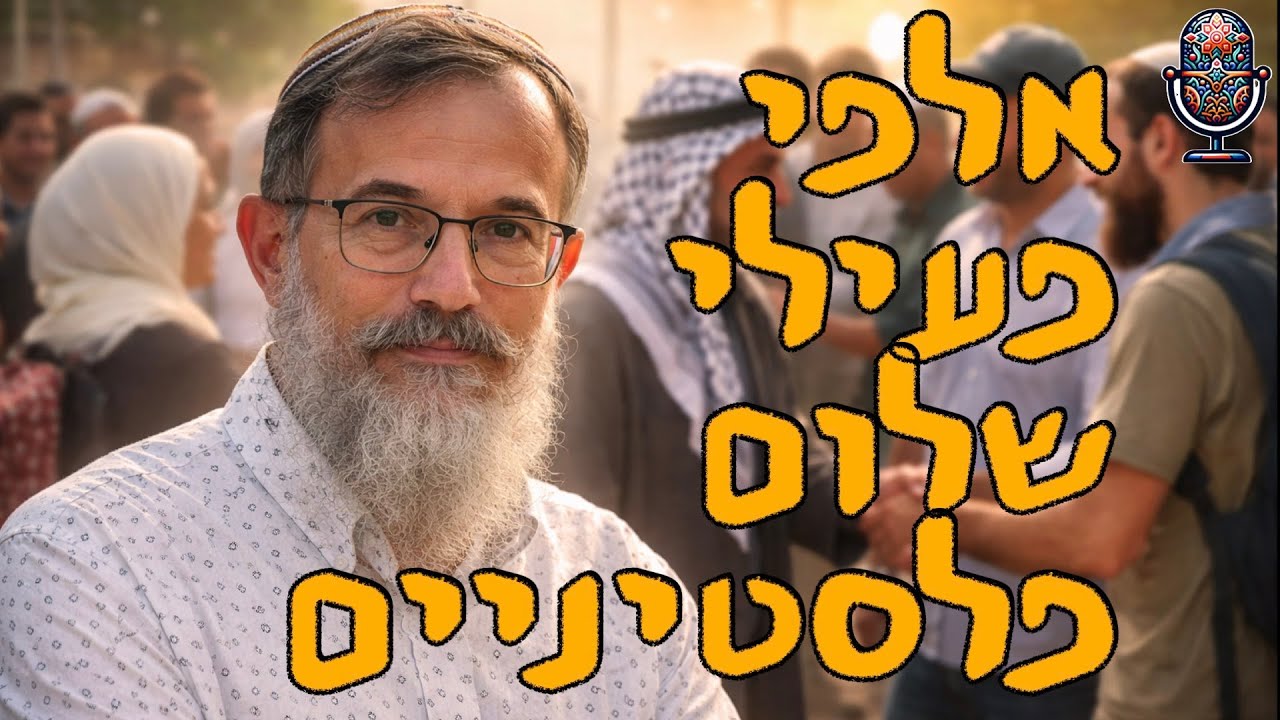
Rabbi Hanan Schlesinger on encounters between settlers and Palestinians
In this episode, the guest is Rabbi Hanan Schlesinger, a co-founder of the "Roots Initiative", for a conversation about the initiative's activities which bring together Jews and Palestinians in Judea and Samaria. Rabbi Schlesinger, a settler and resident of Alon Shvut, talks about the personal process that led him to peace activism, presents his view on the roots of the conflict, and describes the organization's daily activities and his vision for the future.
-

One year since the fall of the Assad regime: The Druze in Syria are in existential danger
This episode of This Week in the Middle East hosts Khalifa Khalifa, creator of the podcast and YouTube channel "Revolt of the Caliphs," for a conversation about the situation in Syria one year after the fall of Bashar al-Assad's regime. The conversation focuses on the existential danger hanging over the Druze community in the Bashan region (Suwayda), the rise of Abu Mohammad al-Jolani's rule, and the opportunities and dangers for Israel.
-

Content creator Tal Oran on advocacy from a Mizrahi perspective
This episode's guest is content creator and YouTuber Tal Oran, also known as The Traveling Clatt. Oran, who became famous as a travel blogger, has changed the focus of his work since the start of the war and now uses his platform for Israeli advocacy. In the conversation, he explains his unique approach, which focuses on addressing the Arab world from a Mizrahi Jewish identity, and his theory about the identity of the peoples of the Middle East.
-

Iran after the war with Dr. Tamar Eilam Gindin
In this episode, linguist and Iran expert Dr. Tamar Eilam Gindin joins the podcast for a conversation about the situation in Iran following the recent war. Dr. Eilam Gindin analyzes the regime's response to the war, its surprising use of pre-Islamic Iranian nationalism, social media dynamics, scenarios for the regime's future, and the country's severe internal crises, particularly the water crisis.
-

Samer Sinijlawi on the path to peace
Boris Gorelik speaks with Samer Sinijlawi, a Palestinian political activist from Jerusalem and a member of Fatah. Sinijlawi argues that peace is a supreme Palestinian interest, and that the path to it involves building trust with the Israeli public, deep reform in the Palestinian leadership, and mutual recognition of the historical rights of both peoples. He presents a vision of a two-state solution based on common interests, reconciliation, and imagination.
-
Everything Is in Front of Us – We Only Need Imagination
A Drop of Optimism in the Sea of Pessimism I have been the host of Hebrew-language’s oldest podcast devoted to the Middle East. My goal has always been to reach...
-

Economic strangulation of Hezbollah
In this episode, Dr. Yaron Friedman explains how the Hezbollah organization can be 'strangled' through economic means, without the need for a large-scale military attack. According to him, the process has already begun, and it focuses on two main channels: damaging the organization's banking system and dismantling its drug empire.
-

A religious solution to a religious conflict
The episode hosts Yinon Dan Kehati, author of the book "Shma Yishmael" and a right-wing peace activist. In a conversation with Boris Gorelik, Kehati presents his approach to resolving the Israeli-Palestinian conflict, a solution with religious and theological roots based on using Islam's own sources.
-

The keffiyeh: from Arab fashion to political symbol
In this episode of "This Week in the Middle East," Dr. Yaron Friedman joins for a conversation about the history and meanings of the keffiyeh. Dr. Friedman reviews the different types of keffiyehs, their origins, the symbols woven into them, and the transformations the head covering underwent until it changed from a status symbol to a charged national and political symbol.
-

The maritime border agreement with Lebanon: The background, the dispute, and the solution
In this episode, Dr. Benny Spanier, a research fellow at the Maritime Policy & Strategy Research Center and the Blue Economy Center of the Haifa municipality, joins the show to discuss the maritime border agreement between Israel and Lebanon. Dr. Spanier explains the historical and legal background that led to the dispute, details the interests of each side, and describes the specifics of the US-brokered agreement and its implications today.
-

The story of Battalion 419: From the silent people of October 7 to social cohesion
In this episode, the fourth in a series marking two years since the Iron Swords War, Boris Gorelik hosts Ronen Abramov, a population officer and social cohesion officer in Battalion 419 of the Home Front Command. The episode is dedicated to the "silent people," the soldiers and civilians who worked behind the scenes during the war. It focuses on the battalion's activities in the Gaza envelope after the October 7 attack, the psychological coping with the atrocities, and the importance of resilience and social cohesion.
-

Mental and biological resilience in wartime
Prof. Yoram Gadron, a medical psychologist and psychoneuroimmunologist, is a guest on the episode to talk about resilience. He explains what mental resilience is at the individual and community levels, presents its biological basis, and suggests practical ways to strengthen it and cope with trauma and prolonged stress.
-

Heroism on the battlefield
In this episode, Dr. Yagil Henkin, a military historian and a researcher at the Jerusalem Institute for Strategy and Security, joins the podcast to discuss the nature of heroism in armed conflicts. The conversation covers the definitions of heroism, its expressions in the modern era, its moral context, and the ways it is commemorated.
-

The October 7 atrocities exhibit
This episode is a conversation with Lieutenant Colonel (res.) Yuval Leikin, who was responsible for creating the October 7 atrocities exhibit. Leikin describes the process of collecting the materials, the moral and practical challenges, and the insights that arose from dealing with the atrocities and the motives of their perpetrators.
-
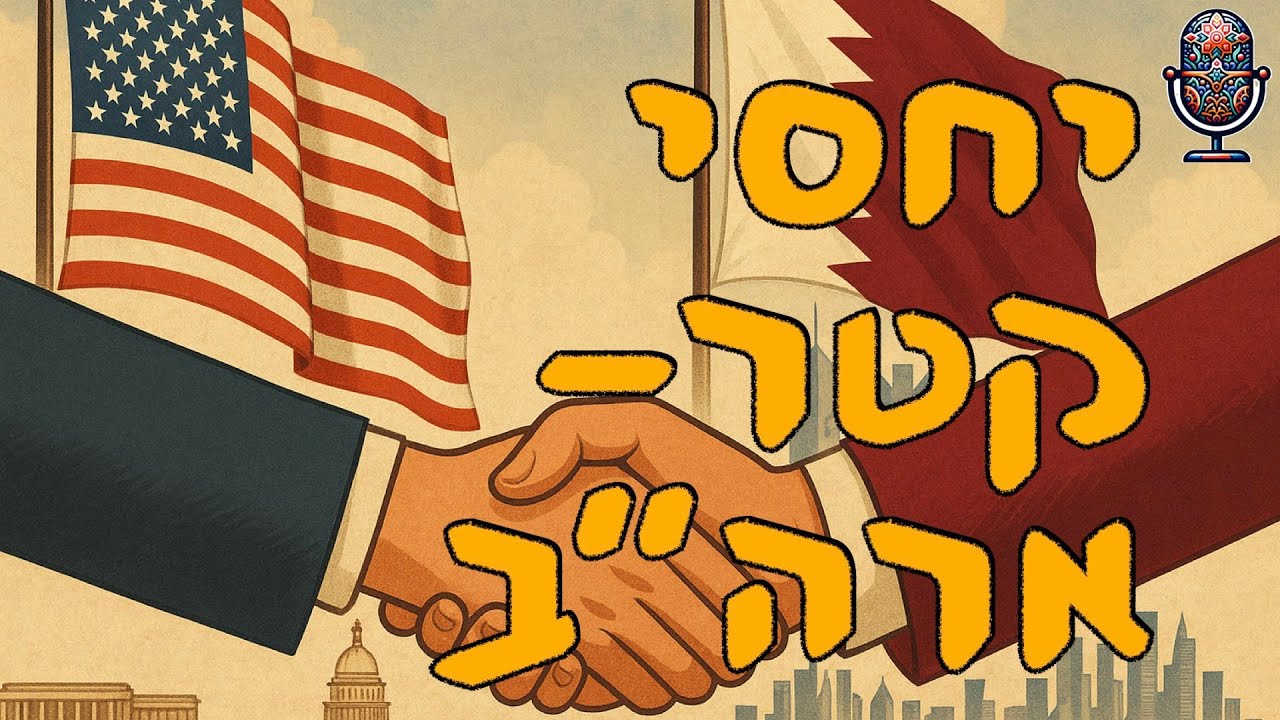
Qatar-U.S. relations: An American base and money for Hamas
In this episode, Dr. Ariel Admoni, a researcher specializing in Qatar, joins the show to discuss the complex and intricate relationship between Qatar and the United States. On one hand, Qatar is home to the forward headquarters of the U.S. Central Command (USCENTCOM), the largest American base in the Middle East. On the other hand, Qatar funds activities and organizations, including Hamas and the Taliban, that work against the interests and values of the United States. Dr. Admoni outlines the historical development of the relationship between the two countries and explains how Qatar has made itself an essential strategic asset for Washington.
-
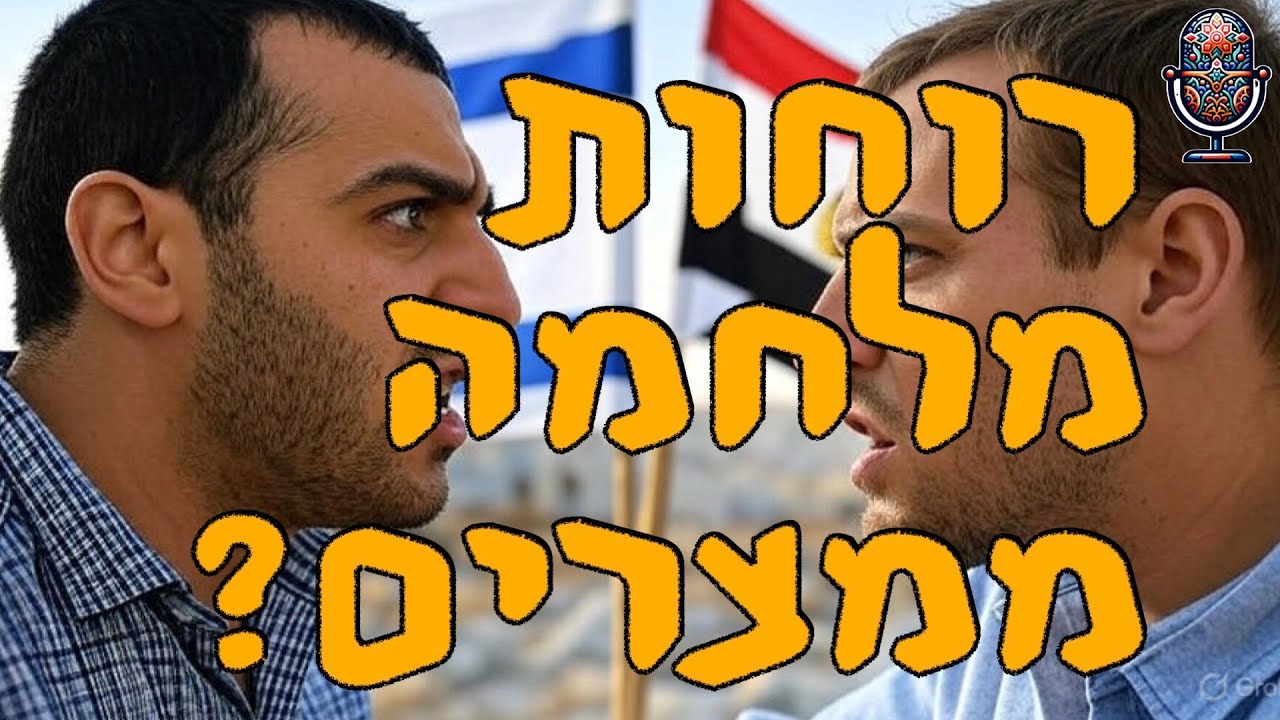
Egypt and Israel: Is there a danger of war?
The episode's guest is Middle East scholar, former Knesset member, and research fellow at Chatham House, Dr. Ksenia Svetlova. The conversation deals with reports of an Egyptian military buildup in the Sinai Peninsula, and examines the question of whether Israel is indeed facing a threat of war from its southern neighbor. Svetlova argues that there is no real evidence of Egyptian preparations for war, and that the reports on the subject are part of a political campaign.
-

Architecture, society, and politics in mosques
This episode's guest is Dr. Dafna Sharf-Davidovich, a lecturer on the material culture of Islamic lands at the Open University of Israel and the Hebrew University. The conversation is about the architecture of mosques in Israel and around the world. It examines the stylistic, social, and political changes they reflect, from the new mosque in Abu Ghosh to contemporary trends in Muslim construction.
-

The murder of Charlie Kirk and the discourse in the Arab world
This episode's guest is Dr. Mor Shapira, a lecturer in the Department of Arabic at Bar-Ilan University and a researcher at the Middle East Media Research Institute (MEMRI). The conversation deals with reactions in the Arab and Muslim world to the September 2024 murder of the American conservative commentator Charlie Kirk.
-

The Israeli strike in Doha and the reactions in the Arab world
In this episode, Dr. Yaron Friedman joins the show to discuss the Israeli airstrike in Doha, the capital of Qatar, which targeted senior Hamas officials. The conversation, recorded shortly after the strike, deals with the reactions in the Arab world, the diplomatic implications of the operation, and Qatar's role as a host and financier of the terrorist organization.
-

Israel-Azerbaijan relations: Oil, arms, and geopolitics
In this episode of "This Week in the Middle East," Boris Gorelik speaks with Dr. Gallia Lindenstrauss, a senior researcher at the Institute for National Security Studies (INSS), about Israel's complex relationship with Azerbaijan. The conversation covers the security, economic, and diplomatic aspects of the connection, and examines Azerbaijan's place in the geopolitical landscape of the Caucasus and the Middle East, against the backdrop of its relations with Iran, Turkey, and the major powers.
-

Alcohol in the Islamic world
This episode's guest is Leon Schwartz, the owner of the Biratenu pub and other bars in Jerusalem, an alcohol expert, and a graduate of Islamic and Middle Eastern studies. Schwartz paints a complex picture of Islam's relationship with alcohol, from the pre-Islamic period, through the development of the prohibition in the Quran and Hadith, to the diverse reality of alcohol consumption and production in Muslim countries today.
-

The BDS movement and economic warfare against Israel
This episode's guest is Eyal Hishkes, an economic consultant, social activist, and author of the book "Bridges of Economy." Hishkes talks with Boris about the main ideas in his book, focusing on the BDS movement. He reviews the movement's historical roots, analyzes the extent of the damage it causes Israel, and proposes strategic ways to counter the economic warfare.
-

Love stories from the medieval Middle East
This episode's guest is Idit Sharoni, curator at the Museum for Islamic Art in Jerusalem. She talks about the museum's new exhibition, "Love Stories", which explores and presents tempestuous love stories from the medieval Middle East. The exhibition focuses on illustrated manuscripts and touches on themes like forbidden love, madness, and death.
-

Why the Iranians are not rebelling, and what it means for Syria
This episode's guest is Alex Grinberg, a Middle East scholar and researcher at the Jerusalem Institute for Strategy and Security. The conversation deals with the stability of the regime in Iran despite popular unrest, and moves on to analyze the collapse of the Assad regime in Syria as a basis for discussing power dynamics, alliances, and the required Israeli strategy in the new Middle East.
-

A chain of betrayals in the Axis of Resistance
This episode features Dr. Yaron Friedman. According to Friedman, the collapse of the Iranian Axis of Resistance in recent months can be explained by a chain of betrayals and broken agreements. He reviews these betrayals, which began during the Syrian civil war and culminated in the current war.
-

Reactions in the Arab and Iranian world to the Israeli attack
This episode's guest is Mor Shapira, a lecturer in Arabic at Bar-Ilan University and a researcher at the MEMRI institute. Shapira analyzes how the media and public in the Arab world and Iran reacted to the Israeli attack on Iran, the collapse of the Iranian deterrence myth, and the various narratives that developed following the events.
-

Iran and the global energy market
In this episode, Eran Efrat, an expert on the global energy market, joins the podcast for a conversation about Iran and its influence on the oil and gas markets. The discussion covers the Iranian threat to close the Strait of Hormuz, the interests of powers like China and the United States, and the possible consequences of the regime's fall in Tehran for the global energy map.
-

A conversation with Mariam Younes: Lebanon after Hezbollah and the Assad regime
In this episode of "This Week in the Middle East", the guest is Mariam Younes, a peace activist and expert on Lebanese society and Israel-Lebanon relations. Younes, a native of Lebanon, analyzes the reactions and trends in Lebanese society since the events of October 7, through the elimination of Hezbollah's leadership and the fall of the Assad regime in Syria, to the campaign against Iran.
-

Yasser Abu Shabab and the dangerous experiment in Gaza
Dr. Harel Chorev, a senior researcher at the Moshe Dayan Center, is a guest on the podcast to discuss the emergence of Yasser Abu Shabab, a local figure in the Gaza Strip who is cooperating with Israel, and to examine the broader strategy of relying on local clans for the day after Hamas.
-

The new Syria: Islamization, ticking time bombs, and a regional solution
In this episode, Dr. Yaron Friedman is a guest, discussing the situation in Syria after the fall of the Assad regime. According to him, contrary to the optimism in the West, the country is heading in a worrying Islamist and Salafi direction. He bases his analysis on Arabic sources and expresses concern about negative developments on several fronts.
-

The civil war in Sudan and international interests
In this episode of This Week in the Middle East, the guest is Dr. Haim Koren, a lecturer at Reichman University, former Israeli ambassador to South Sudan and Egypt, and a Middle East scholar. The conversation covers the bloody civil war raging in Sudan, the severe humanitarian crisis it has created, and the tangle of interests of regional and global powers involved in the conflict.
-

Dr. Adi Schwartz: The path to victory is through changing Palestinian ideology
In this follow-up episode, Dr. Adi Schwartz, co-author of the book "October Seventh" (with Dr. Einat Wilf), returns to present his vision for resolving the conflict. After diagnosing the roots of the conflict in the previous episode, Schwartz this time focuses on the question of what to do and what practical alternative Israel should promote.
-

The October 7th war: The continuation of the idea of return
The episode features Dr. Adi Schwartz, a research fellow at the Misgav Institute and the Ben-Gurion Research Institute, and the co-author of the books "The War of Return" and the new sequel, "The October 7th War". According to Schwartz, the October 7th attack is not a new event in its essence, but rather another manifestation, a particularly cruel and tragic one, of the Palestinian idea of return, which has been at the heart of the conflict for a hundred years.
-

Dr. Daniel Sobelman on the Axis of Resistance and asymmetric warfare
This episode's guest is Dr. Daniel Sobelman, a lecturer in international relations at the Hebrew University and a research fellow at the Belfer Center at Harvard University. Dr. Sobelman, who recently published his book "The Axis of Resistance", explains the concept of asymmetric warfare, describes the development of the Axis of Resistance as a strategic community, and analyzes the effects of the current war on the axis and its perceptions.
-

A review of the situation in the Middle East
In this episode, Dr. Yaron Friedman is a guest for a broad review of developments in the Middle East. The conversation covers the expected change of leadership in the Palestinian Authority, the fragile situation in Syria and Lebanon, and trends in the second and third circle countries, from Egypt and Jordan to Iran, Turkey, and North Africa.
-

Massacre of Druze in Syria
In this episode, a collaboration with the podcast "The Caliphs' Revolt," the guests are Khalifa Khalifa and Sheikh Wazir Amoun. They discuss the murderous attack on Druze communities in Syria that took place in late April 2022, explain the background to the events, and sharply criticize Israel's inaction.
-

Mansour Ashkar on Islam, antisemitism, and Europe
This episode's guest is Mansour Ashkar, a former officer in a well-known unit who currently lives in Germany. Since the events of October 7, Ashkar has become a prominent activist in Israeli advocacy. In a conversation with Boris Gorelik, he discusses the motives that led him to engage in advocacy, analyzes the ideology of radical Islam, and describes the challenges facing Europe and Israel in the face of rising antisemitism and Islamism.
-

The new Syria: A government of experts or an al-Qaeda front?
This episode features Dr. Yaron Friedman to discuss the developments in Syria after the fall of the Assad regime. The conversation focuses on the new government formed by Ahmed al-Sharaa (al-Jolani), the transitional constitution he published, and the question of whether Syria is heading toward democracy or a new Islamic dictatorship.
-

Israeli study tracked Gaza's fish market via social media
The guest on the episode is Raam Neri, a marine ecologist from Ben-Gurion University's Eilat campus and a member of the "Sharks in Israel" association. Neri discusses his master's thesis, in which he researched the illegal fishing of sharks and batoids (cartilaginous fish) in the Gaza Strip. The study, based on data collection from social media, provides a rare glimpse into Gaza's fish market, the fishing methods in the Strip, and the effects of war and the blockade on the marine environment.
-

Samer Sinijlawi on Palestinian public opinion, the post-Abbas leadership, and the two-state solution
The episode features Samer Sinijlawi, a Palestinian political activist who defines himself as a member of the Fatah opposition. In the conversation, Sinijlawi explains why he believes it is important to speak to the Israeli public, analyzes Palestinian public opinion after the events of October 7, and describes the leadership change he thinks is necessary on the Palestinian side to move toward a solution.
-
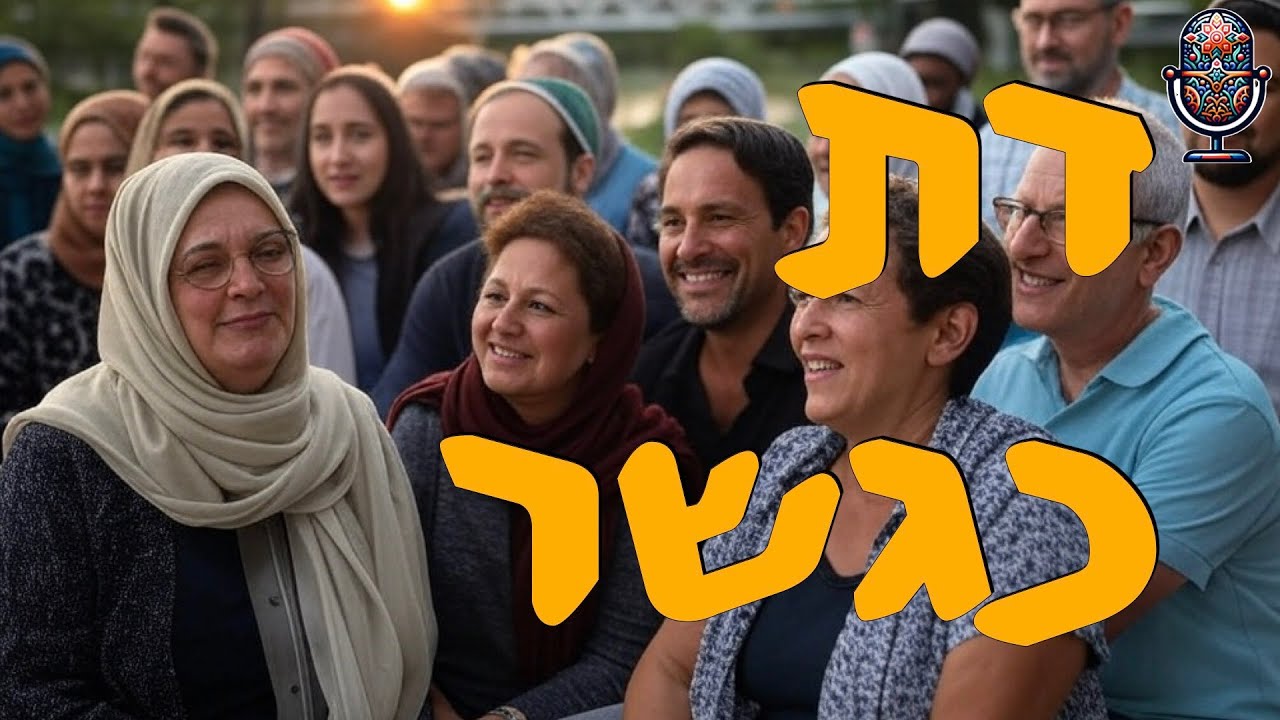
Tom Wegner on interfaith dialogue and regional union
This episode's guest is Tom Wegner, a strategic consultant, founder of "The Center for the Middle East," co-founder of the "Center for Normalization in the Middle East" association, and author of the books "The Abrahamic Revolution" and "Union of the Believers." Wegner participated in a simulation of the "Riyadh 2025 Conference" in a unique role, and he talks with Boris Gorelik about his insights from the event and his vision for regional peace based on religious and political cooperation.
-

A simulation of a regional peace conference
The episode features Dr. Ironit Levin Schnur, a senior lecturer at the Faculty of Law at Tel Aviv University. The conversation is about a simulation of a regional peace conference, "Riyadh Summit 2025," which was held at Tel Aviv University and tried to simulate a future meeting between leaders from the Middle East. Dr. Levin Schnur, one of the event's organizers, explains the simulation's goals, its methodology, and the insights that emerged from it.
-

Who was Izz ad-Din al-Qassam?
In this episode, Dr. Yaron Friedman joins the podcast to tell the story of Izz ad-Din al-Qassam, the man for whom Hamas's military wing is named. The conversation follows the life of al-Qassam, a cleric born in Syria who became a Palestinian national symbol, and examines the reasons that led Hamas to adopt his figure in particular.
-
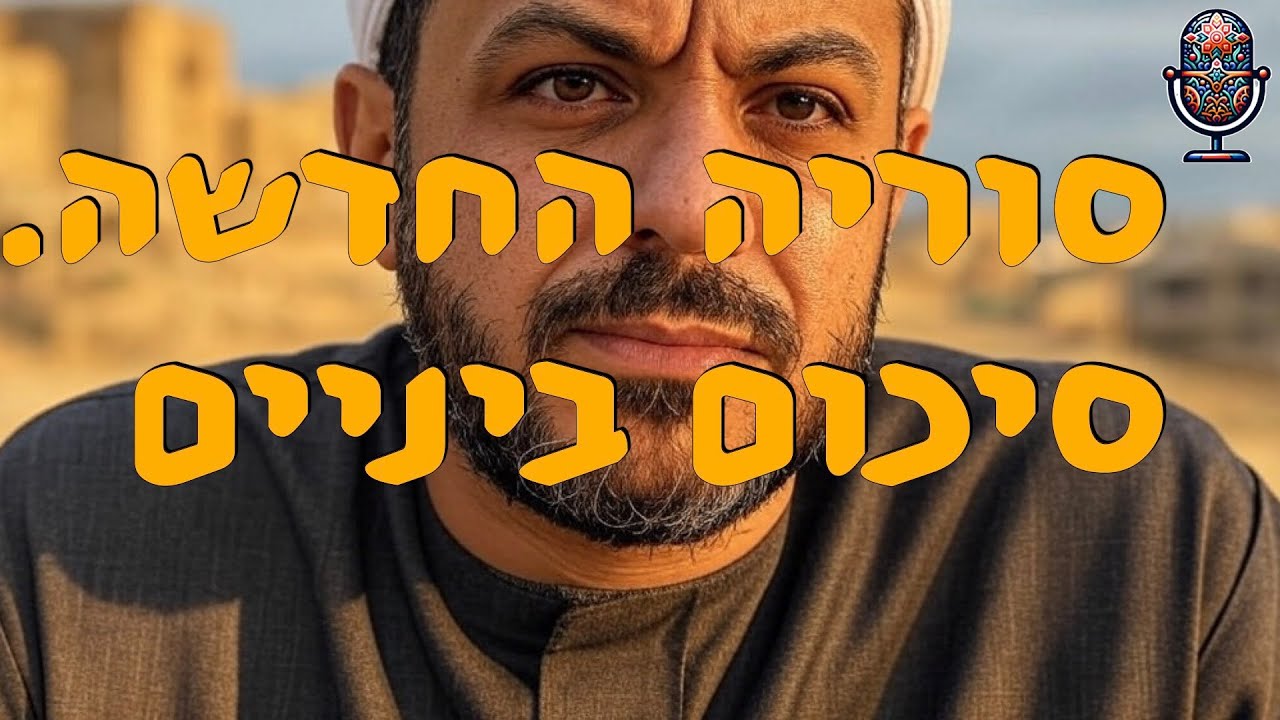
Three months after the fall of the Assad regime: Who are you, Ahmed al-Sharaa?
Three months after the fall of the Assad regime in Syria, commentator Yaron returns to the podcast to summarize the beginning of the rule of Ahmed al-Sharaa, better known by his former nom de guerre, Abu Mohammad al-Julani. The episode deals with the question of the new leader's identity, the economic and social situation in Syria, and the challenges facing the new regime.
-

Trump's Gaza plan in the Arab media
The episode features Mor from the MEMRI institute for a conversation about the reactions in the Arab world to a proposal attributed to Donald Trump, which suggests evacuating the residents of Gaza, either temporarily or permanently. Mor analyzes how the Arab media views the idea, Trump himself, and the implications for the Palestinian issue.
-

The Iranian strategy: Espionage, cyber, and influence
The episode hosts Dr. Yael Finko, a former senior official in the defense establishment and currently a researcher at Bar-Ilan University and a cyber expert. The conversation deals with Iran's efforts to influence and spy on Israel, beyond the familiar military threats like missiles and proxy organizations. Finko analyzes Tehran's concept of "soft power," its methods in the fields of cyber and human espionage, and the psychology behind recruiting Israeli agents.
-

Secularism is winning in Iran
The episode hosts Dr. Tamar Eilam Gindin, an Iran expert and linguist, for a conversation about the secularization processes underway in Iranian society. According to her, the Islamic Republic, through its religious coercion, is the best thing that ever happened to secularism in Iran, and the worst thing that ever happened to Islam. The conversation deals with the tension between the ancient Iranian identity and the Muslim identity, the people's attitude toward the regime and Israel, and Iran's future.
-

The air incident in Chechnya and the new order on the northern border
The episode features Alex Grinberg, an expert on Iran. The conversation begins with an incident in which an Azeri passenger plane was hit over Chechnya, and from there develops into a discussion about Russia's conduct, Azerbaijan's diplomacy, and the possible implications of Turkey's growing strength in Syria for Israel's northern border.
-

The Swords of Iron War and regional upheaval
In this episode, Yaron Friedman reviews the events of 2024 in the Middle East, a year characterized by a multi-front war and regional upheavals, and tries to assess the expected developments in 2025. The conversation moves between the different fronts, from the inner circle of Gaza and the West Bank to the wider circles of Syria, Lebanon, Iran, and the Gulf states.
-

Operation 'Homeland Shield': The Palestinian Authority fights for Jenin
In this episode of "This Week in the Middle East", Boris Gorelik hosts Dr. Mor Shapiro, a lecturer in Arabic at Bar-Ilan University and a researcher at the Mitvim Institute. The two discuss the unprecedented security operation launched by the Palestinian Authority in the Jenin refugee camp, aiming to restore its governance in an area considered the terror capital of the West Bank.
-

Turkey and the fall of the Assad regime
This episode features Dr. Hay Eytan Cohen Yanarocak, an expert on Turkey, who discusses Ankara's role in the fall of the Assad regime in Syria, President Erdoğan's motives, and the implications for the region and for Israel.
-

The fall of the Assad regime and an opportunity for the Druze in Syria
The episode's guest is Khalifa Khalifa, host of the podcast "The Caliphs' Rebellion." The conversation deals with the fall of Bashar al-Assad's regime in Syria and its implications, with an emphasis on the situation of the Druze in the country. Khalifa analyzes the opportunities and risks facing the Druze community, Israel's role, and the broader effects of the event on Lebanon, Iran, and the Palestinian arena.
-
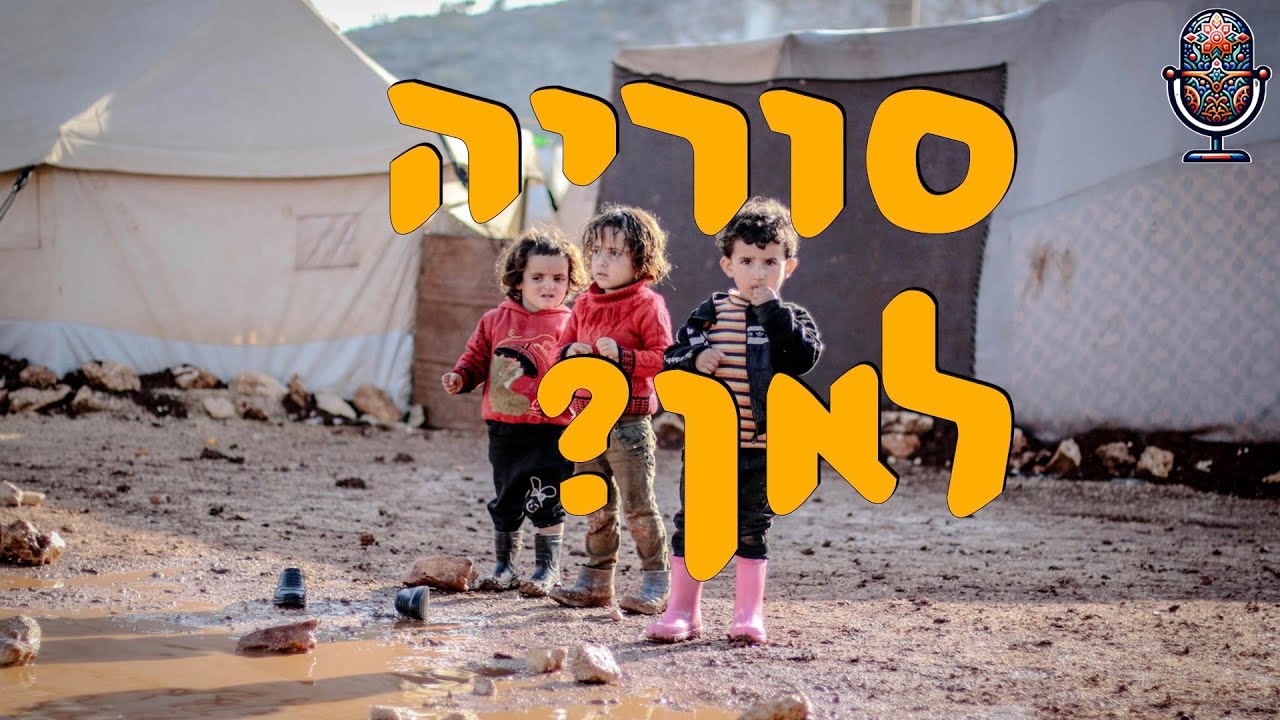
The fall of the Assad regime in Syria
In this episode, Yaron Friedman joins the show to discuss the rapid collapse of Bashar al-Assad's regime in Syria, after fifty years of his family's rule. Yaron analyzes the reasons for the regime's fall, the identity of the victorious forces, the fate of minorities in the new Syria, and the implications for Israel and the Middle East.
-
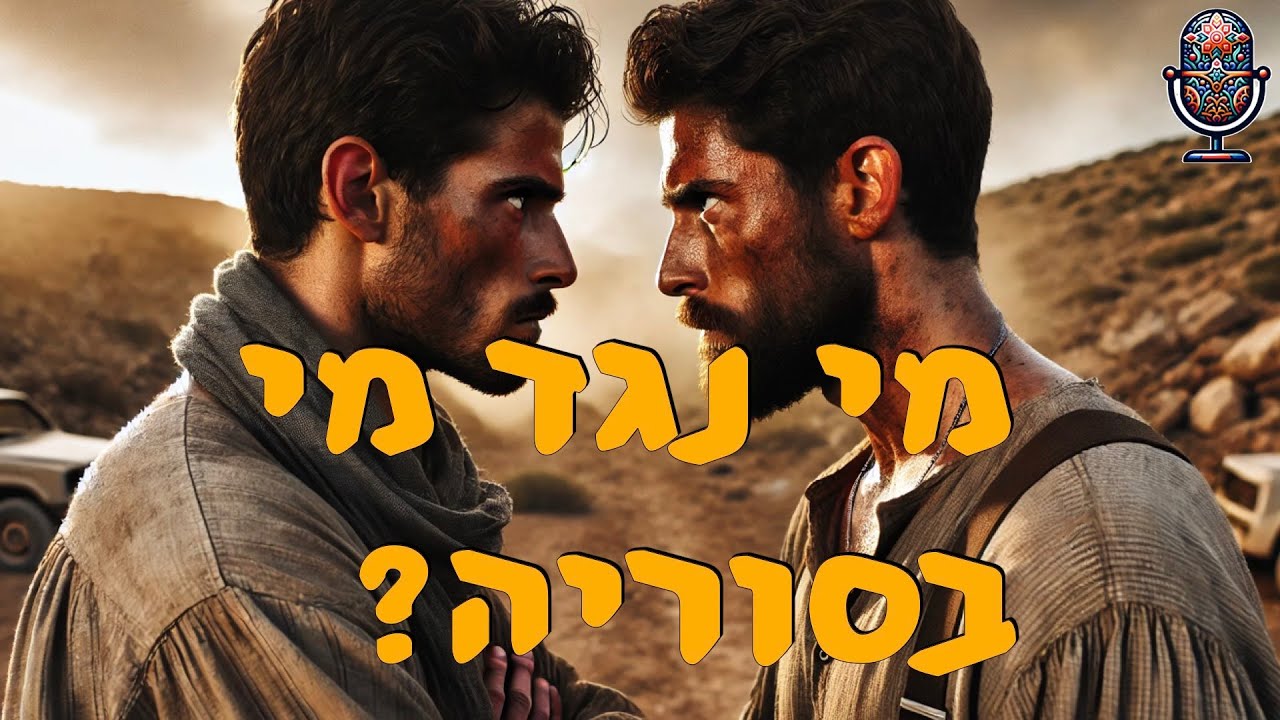
The rebels' surprise attack in Syria
In this episode, Yaron reviews the surprise attack by opposition forces in northern Syria and the collapse of the status quo that had existed in the country since 2017. The conversation, recorded on December 3, analyzes the reasons for the outbreak of fighting right now, the identity of the forces involved, the interests of regional powers, and the implications for Syria's future and its minorities.
-

National trauma, constitutions, and October 7
This episode of This Week in the Middle East hosts Professor Gad Yair, a sociologist from the Hebrew University, for a conversation about the connection between national traumas and constitutions or founding documents. The conversation, held against the backdrop of the October 7 events, examines how traumas shape the identity of peoples and their laws, and what the consequences of the current trauma might be for Israeli and Palestinian society.
-

Europe and Muslim immigration: a creeping civil war
The journalist and author Eldad Beck, author of the new book "Late Reconciliation: The Story of the Tumultuous Relations Between Austria and Israel," is a guest on the episode and analyzes the situation in Europe following the events of October 7th. According to him, Western Europe is in a state of creeping civil war, a result of mass Muslim immigration and the weakness of governments.
-

The Arab media reacts to Trump's victory
The episode features Dr. Mor Shapiro, a lecturer in the Department of Arabic at Bar-Ilan University and a researcher at the MEMRI Middle East Media Research Institute. Shapiro analyzes the diverse reactions in the Arab world to Donald Trump's victory in the United States presidential election, and explains why different countries and actors view his return to the White House in different lights.
-
Interview 27: Racial discrimination and fair machine learning
I invited Dr. Charles Earl for this episode of my podcast “Job Interview” to talk about racial discrimination at the workplace and fairness in machine learning. Dr. Charles Earl is...
-
The difference between statistically meaningful and practically meaningful. An interview with me
Recently, I gave an interview to the Techie Leadership site. Andrei Crudu, the interviewer, made a helpful outline of the conversation. I marked the most important parts in bold. Academic...
-

Blogging isn't what it used to be. Podcasting is on the rise
More than two years ago, I took a look at Google Trends for three phrases “start a blog”, “create a blog”, and “create a site”. I was surprised by the...
-

Cow shit, virtual patient, big data, and the future of the human species
Yesterday, a new episode was published in the Popcorn podcast, where the host, Lior Frenkel, interviewed me. Everyone who knows me knows how much I love talking about myself and...